I’m drunk in the desert (assessment)

Crack open a cold one in the holy lands

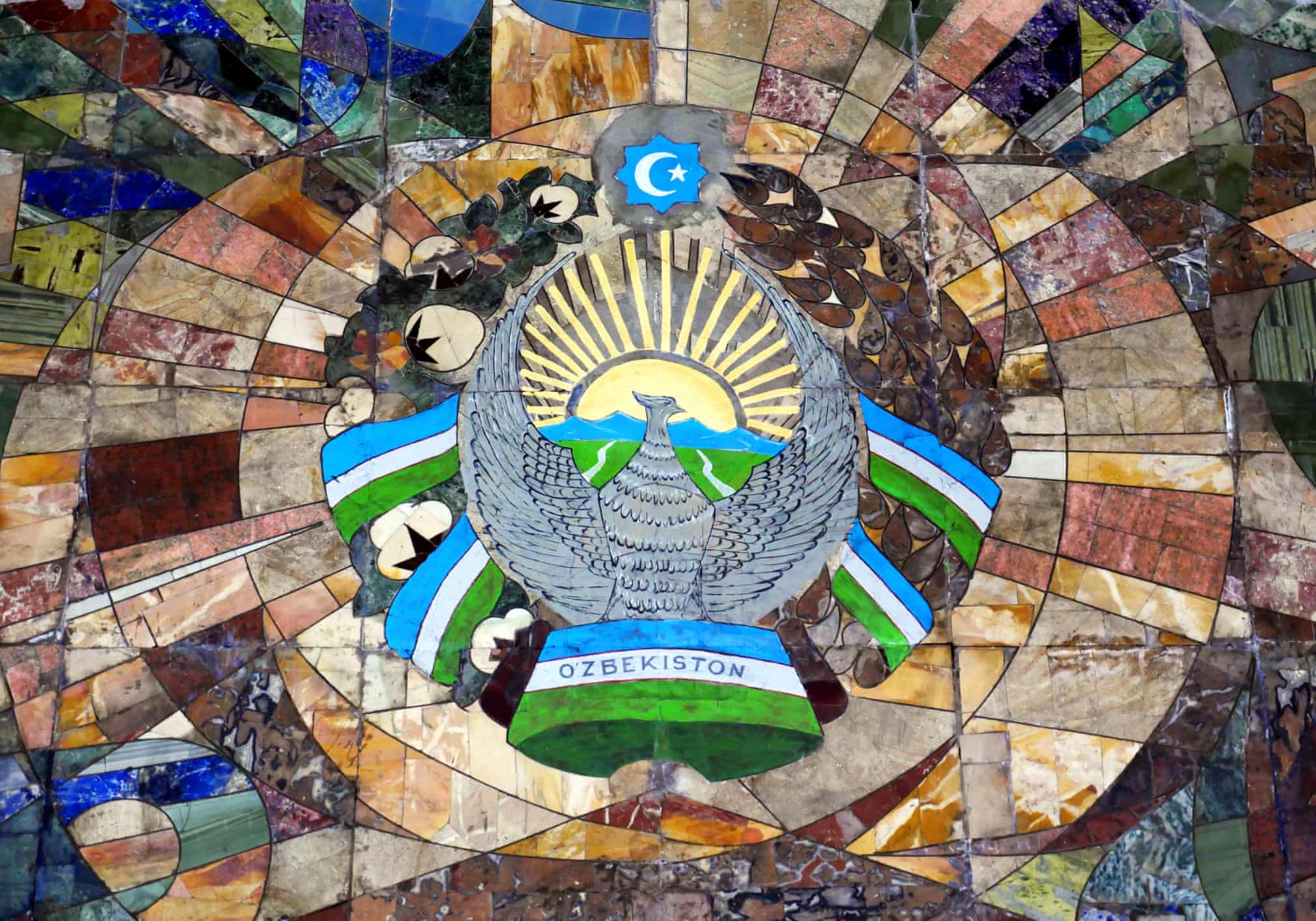
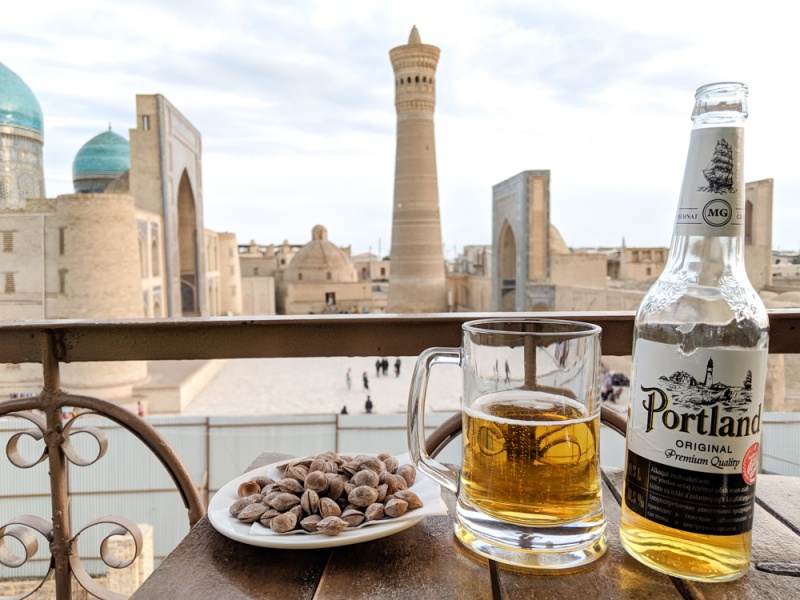
In the lands of Allah, what surprises me is that alcohol is part of daily life in Uzbekistan. Only extremely conservative muslims refrain from drinking alcohol. Probably for health reasons I bet. Although traditional shops prohibit the sale of pork and alcohol, don’t let that fool you. Big city restaurants generally offer these food and drinks openly.

What really surprises me is that consumption of spirits, as in tradition among former soviet states, is higher here than in Western countries. Uzbek favourites include vodka, brandy, and whiskey. Girls opt for wine, although local wines don’t really live up to international standards.

And you would think that in a religious society that was enough, but there are some good breweries in Tashkent, Samarkand, and other cities that produce varieties of lager, ale, and stout among favourites.
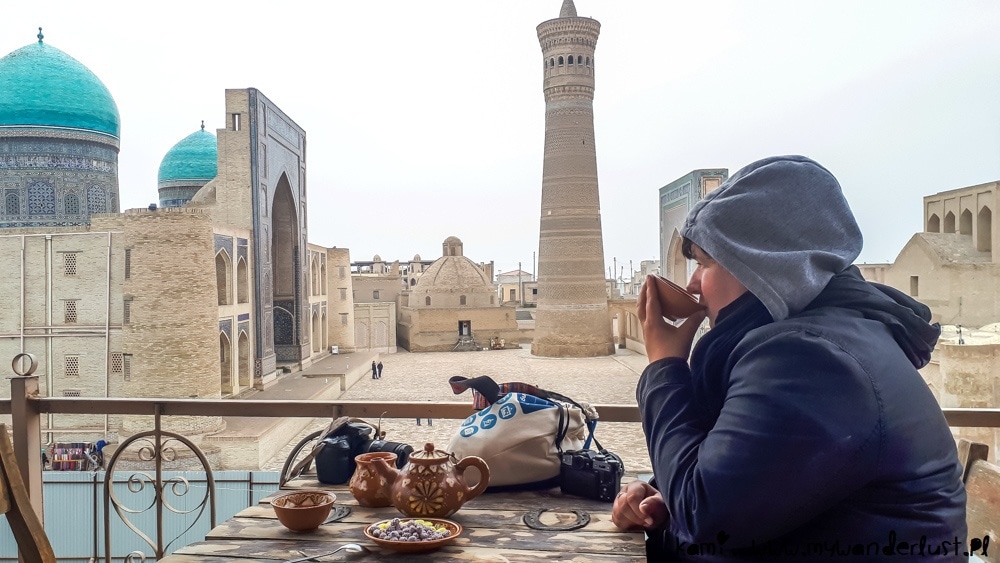
Did you know that Uzbeks drink vodka with tea cups?
What I will be drinking in Uzebkistain

With all the media attention on fundamentalist Islam nowadays, it is hard to get your head around the idea that mainstream Islam can still be a particularly secular religion. It is definitely a sensitive topic among us. Probably not a big deal to Uzbekistanis. With the thought of extremist islam in the back of my mind, I see myself being really uncomfortable drinking in a muslim country.

However, this is no way to live. We need to come to terms with our expectations and reality. Uzbekistan is a muslim country, but there is no reason to assume that it is like it’s other more notorious muslim brothers. We need to frame their drinking culture differently. We need to understand that no society is static. There will always be agents of change, due to social and economic reasons. This was never about being muslim, this was about the present, and about change. Cheers to that.
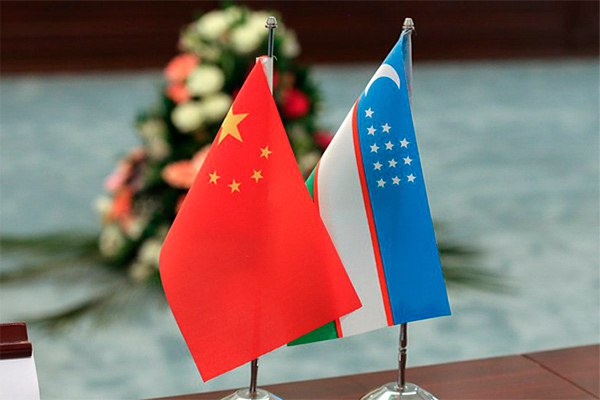
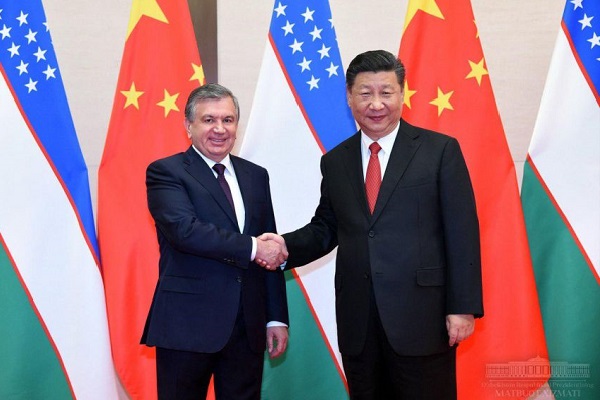
All aboard the camel train

Name a better duo, I’m waiting

Uzbekistan is located in the heart of Central Asia and shares its borders with all the countries of the region, even Afghanistan. In other words, Uzbekistan has direct access to a large market with a population of more than 100 million. These factors increase the attractiveness of Uzbekistan for all its economic partners, including China.

Look in the sky! Its a bird and a dragon!
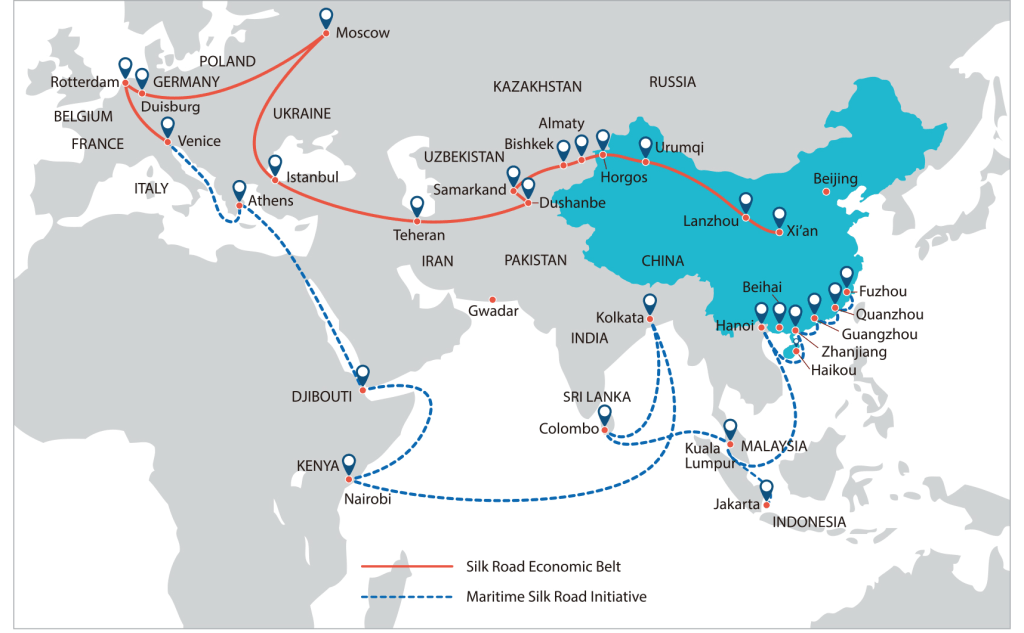
A map that would make every true Uzbek nod his head in satisfaction

President Xi has recently announced the new belt and road initiative. It also colloquially dubbed the “New Silk Road”. Fantastic marketing I have to say. Uzbekistan has been vital to the exchange of goods between the west and various Chinese dynasties. The new project aims to develop a large scale transport network connecting China, the Middle East, and Europe. The ancient Silk Road passed through Tashkent, the capital of Uzbekistan, and other cities like Samarkand, Bukhara, Khiva, and Kokand.

The Uzbek government is now planning projects with JPMorgan Chase, Citibank and Deutsche Bank. Definitely playing in the big leagues now.
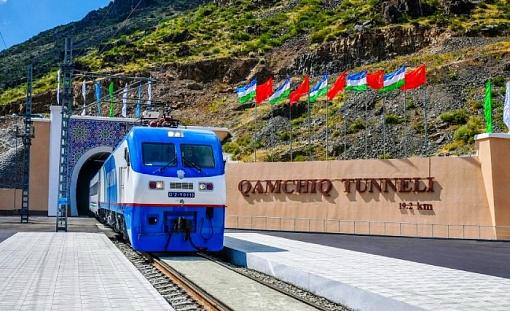
The long awaited Kamchik line

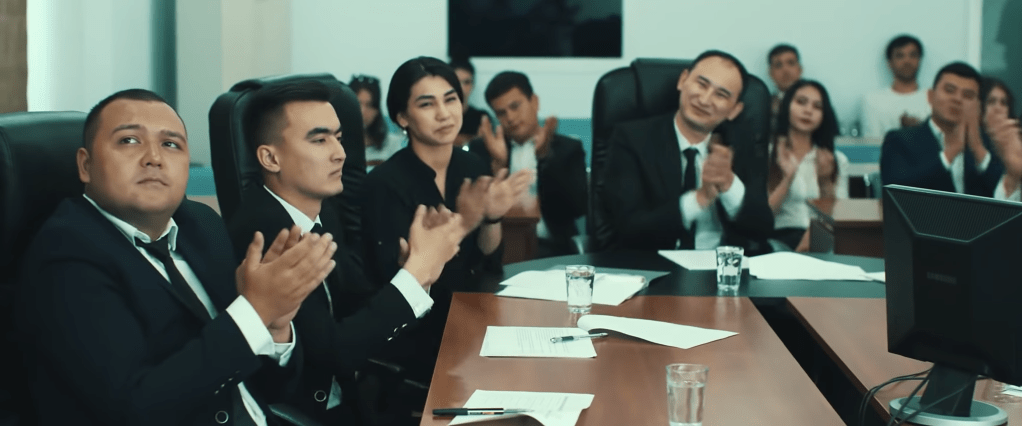
I am a commerce student. Its not that I only care about money (I mostly care about money), but I believe that business skills are the most necessary skills needed these days. If I were to contribute to Uzbekistan’s development, I would put Uzbekistan first. That means protection from foreign markets and development of local and regional companies. I would use my skills in finance and consulting to explore growth pathways for small Uzbek businesses and help them to capitalise on the developments happening in their country. I will put them on an even field with multi-national corporations by navigating the businesses through their tumultuous starting years. Uzbekistan in the future will have their own home grown companies, their own ideas, their own capacity to innovate. When all is said and done, I kick back and make some good money too.

Visual representation of my ventures in Uzbekistan
Me in 10 years

The famous forgotten country (assessment)

Uzbekistan and Central Asia in extension used to be the centre of commerce and cultural exchange. It was an area where peoples and empires fought desperately to gain a foothold in. For much of history, dominance of Central Asia was on crucial to unlocking the wealth of the silk road. But that was a time before steam powered ships, before oil, before memes, before Fortnite.

Uzbekistan according to an outsider:

Empty deserts. Or barren deserts if you want to be more dramatic. The occasional yurt. Monuments of Lenin, Stalin, and straight faced communists posing with their square jaws. Suspicious glances from locals in long overcoats. They all claim to be descendants of Genghis Khan (they very well might). They all have beards. The country isn’t rich but they are well educated, just dealt a bad hand by their environment. Apparently they are also all very friendly.

And sand? Horses? Muslims? More sand? And doesn’t it sound dangerous with a “stan” in its name? Also, when was the last time we’ve heard of Uzbekistan in the news? Seems like a boring place, all things considered.

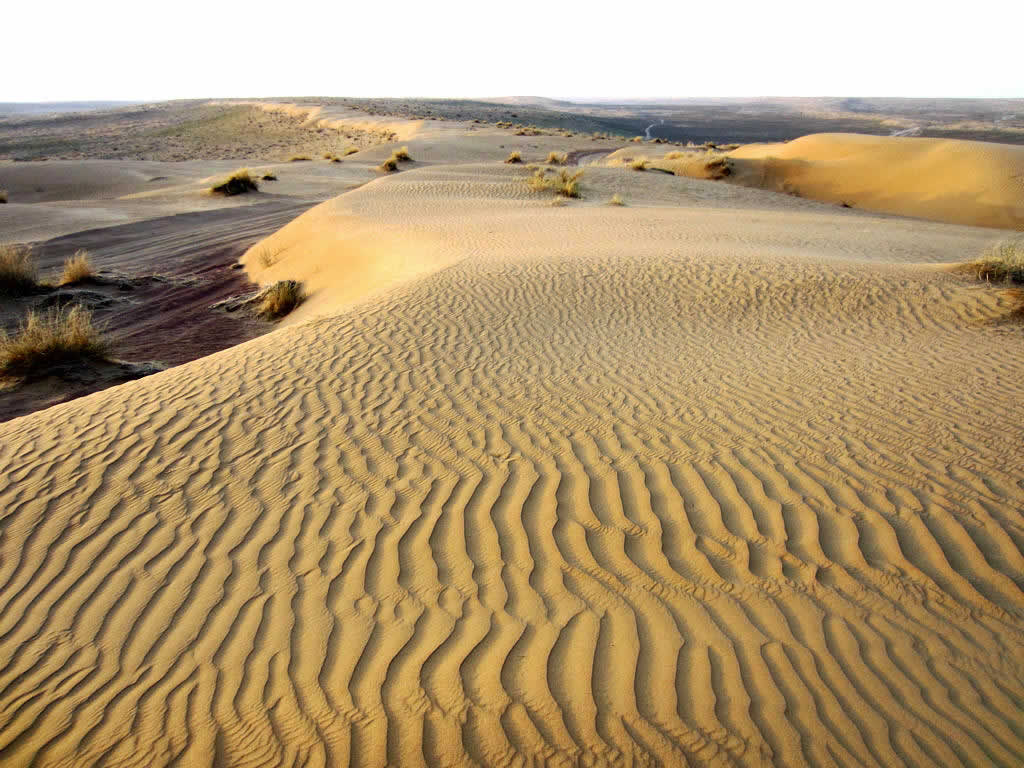
Granted, this is actually what parts of Uzbekistan looks like
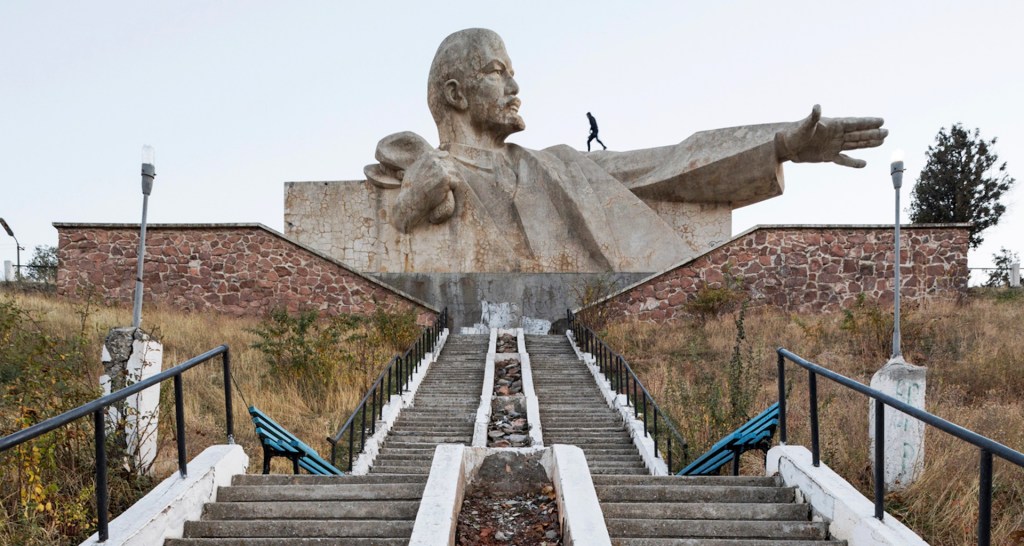
And this too

But in its own right, Uzbekistan is a truly important region, located strategically between Russia, China, and the Middle East. It has been largely ignored on the geopolitical arena, as its location in Central Asia holds little to no significant importance among the political tensions today. Even when tourists visit, Uzbekistan is reduced to a desert-land theme park pit stop on their world tour.

But I would venture to say that it is a good thing, as Uzbekistan has still been able to retain its local culture and traditions. It is never subjected to global trends, and the experience one gets in Uzbekistan is always the same. The people are as in control of their destinies here as anywhere else on earth. They have survived conquerors, they survived brutal regimes, and they survived dictators. They might not have recognition. They might be misrepresented. But to the people here, that is okay. Because they understood what they got in the trade. Serenity.

Well its great but I don’t care (assessment)

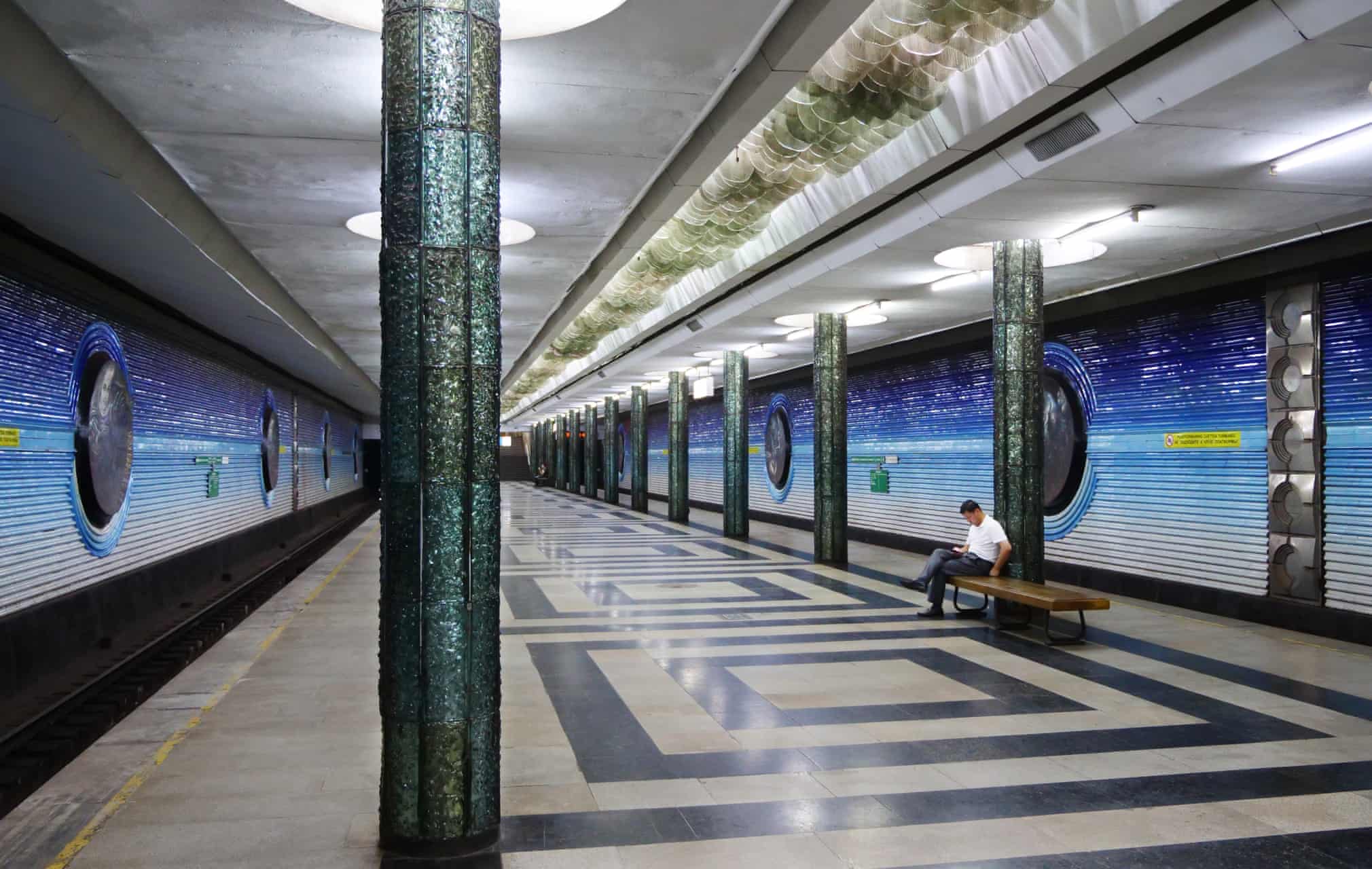
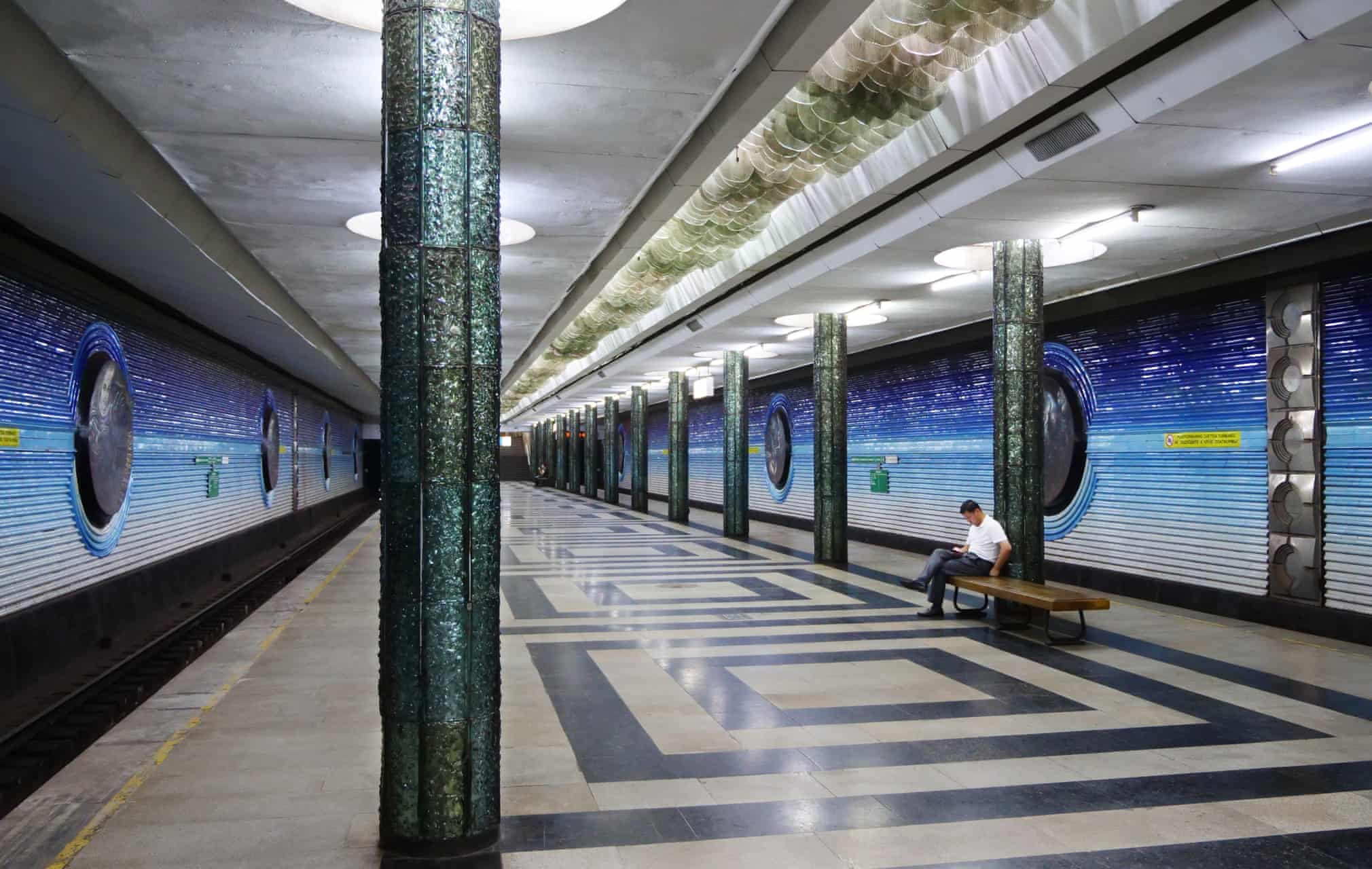
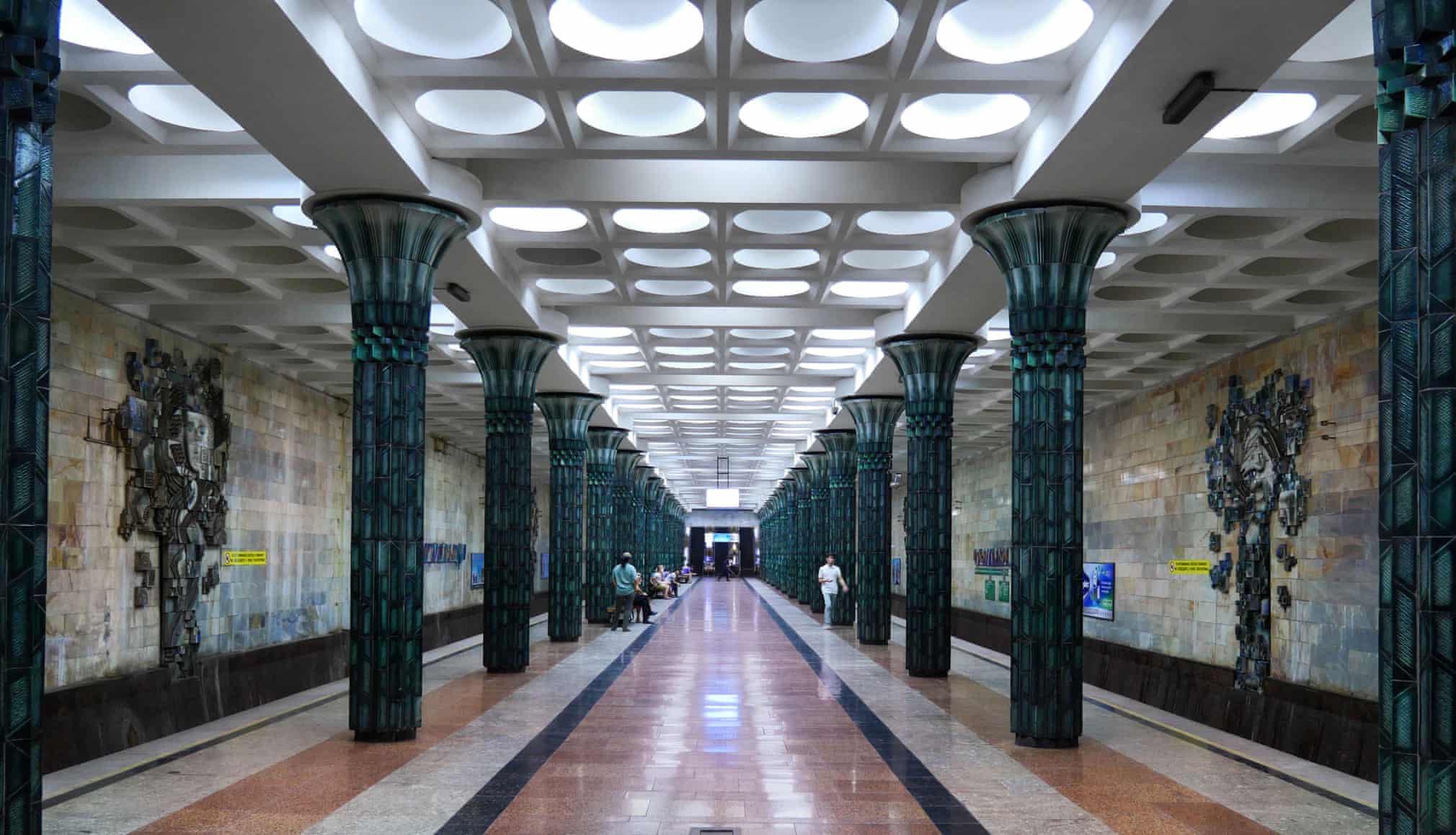
The Glimmering, Glazed Columns of Tashkent Station

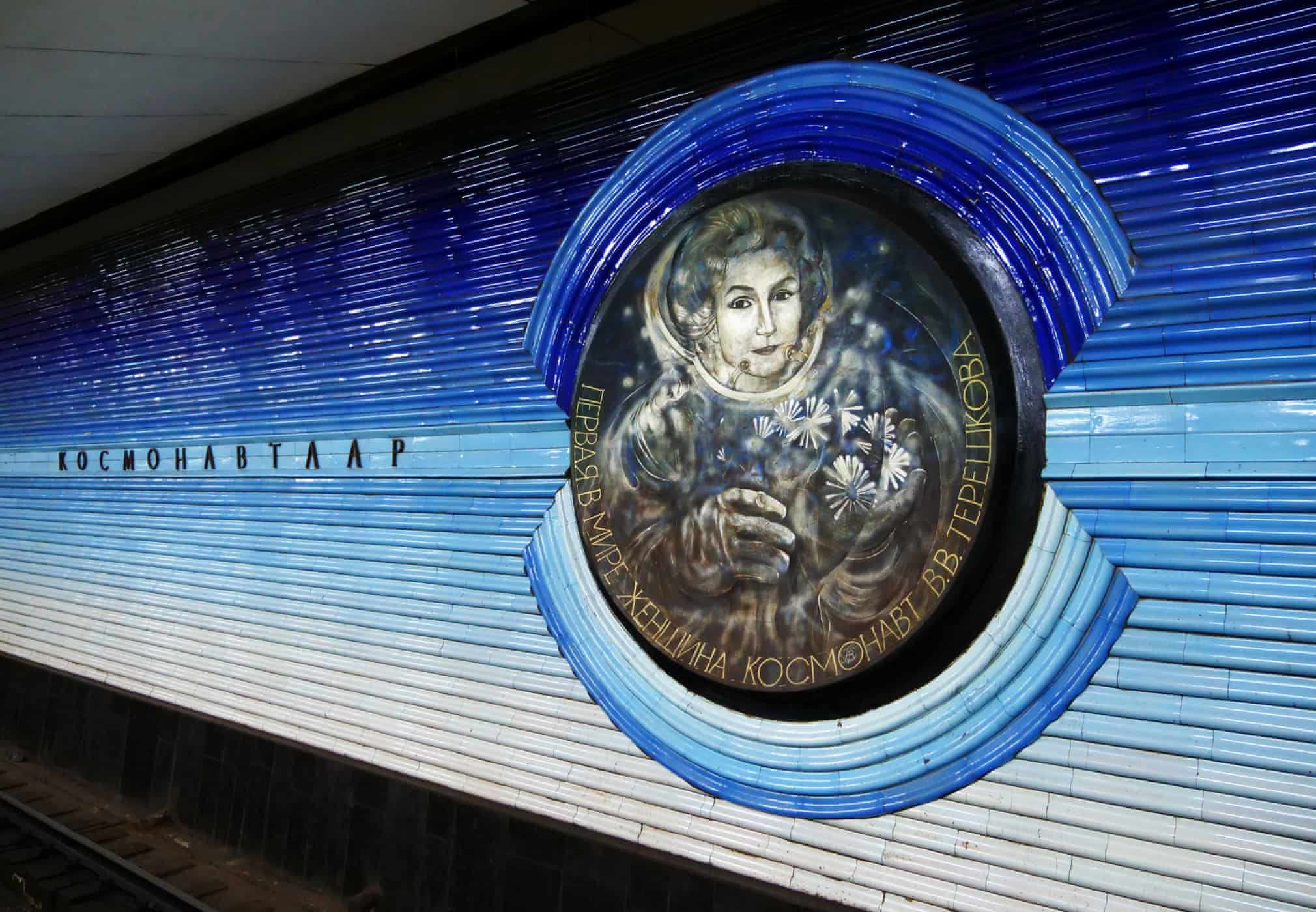
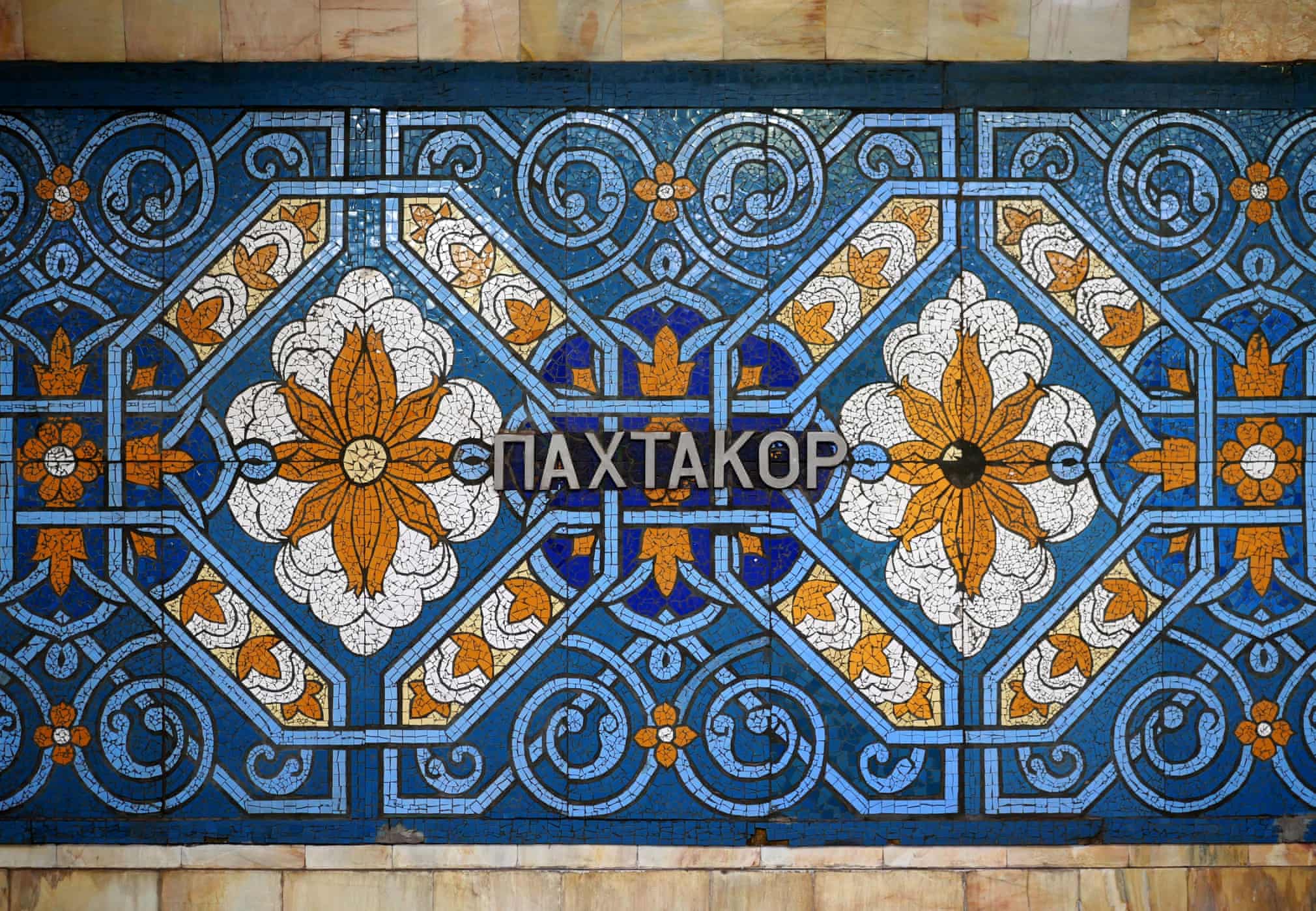
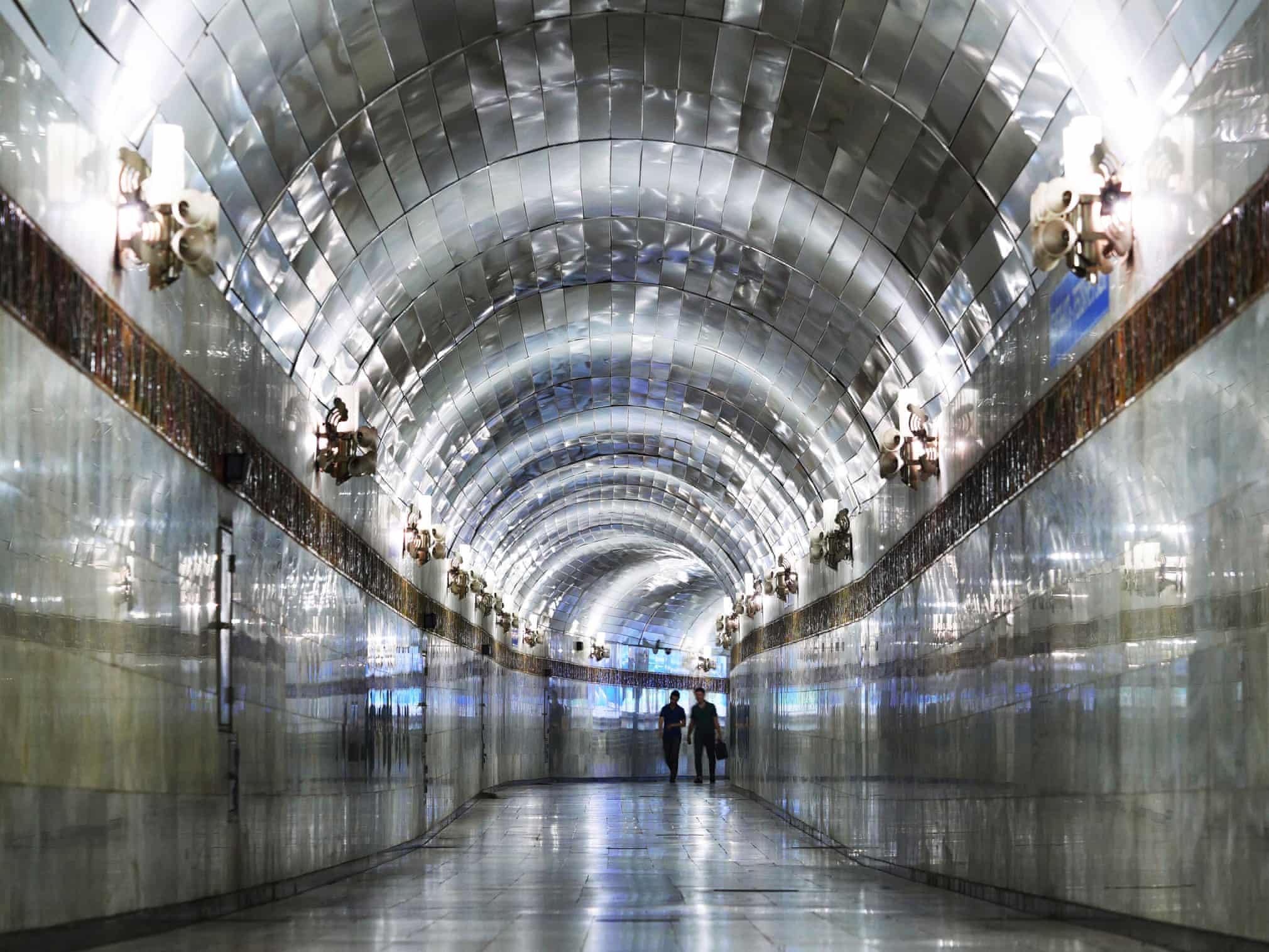
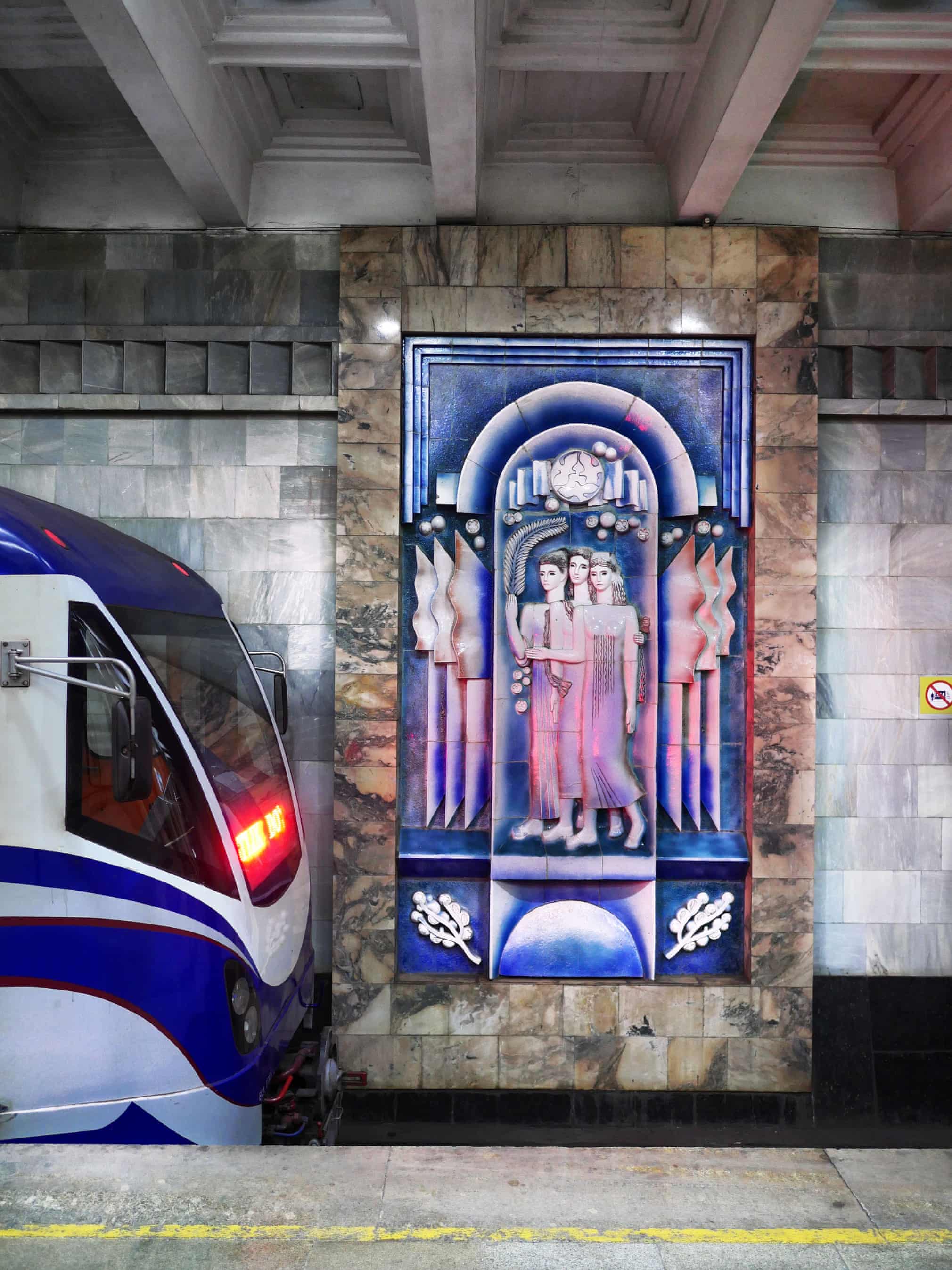
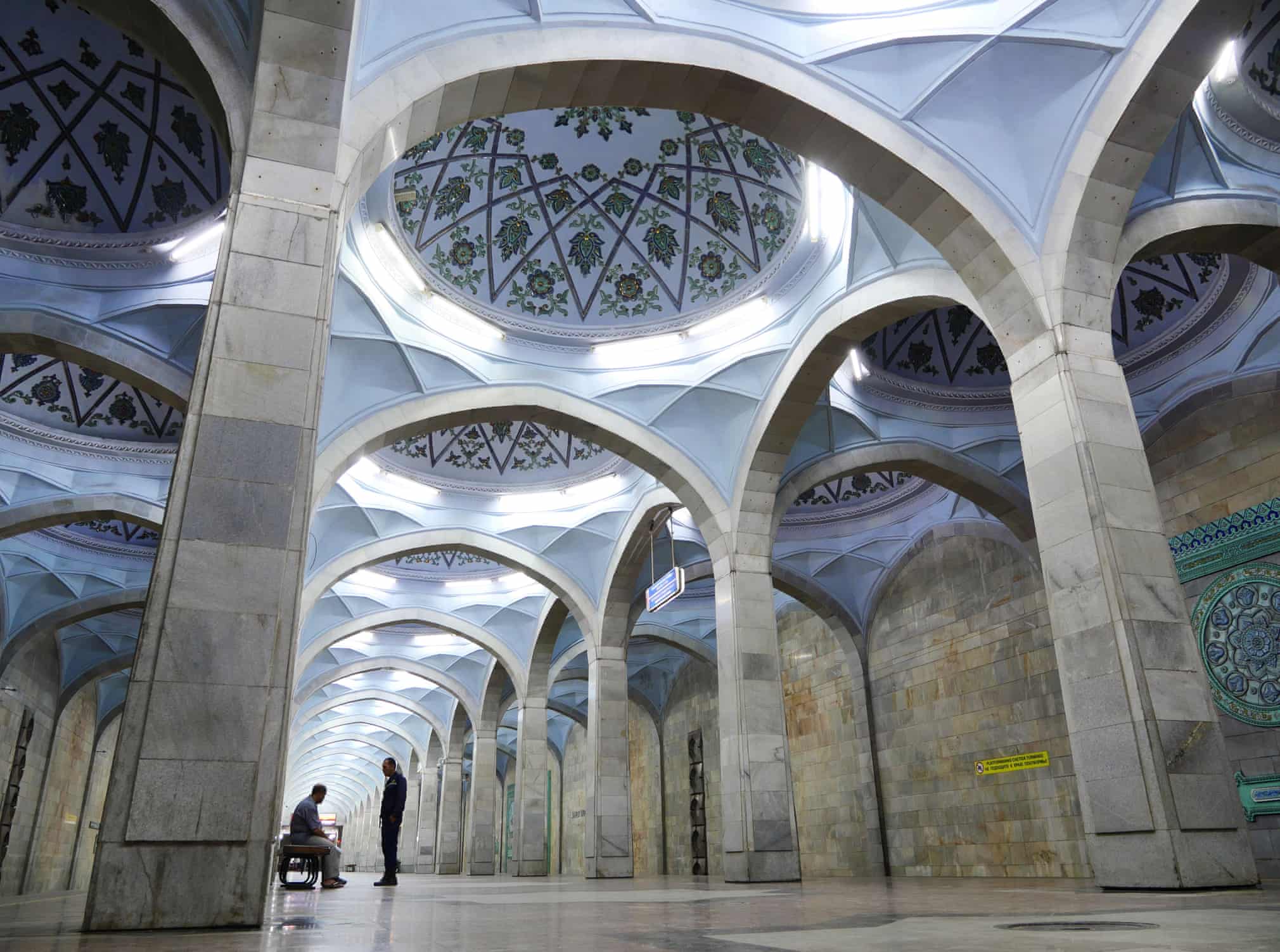
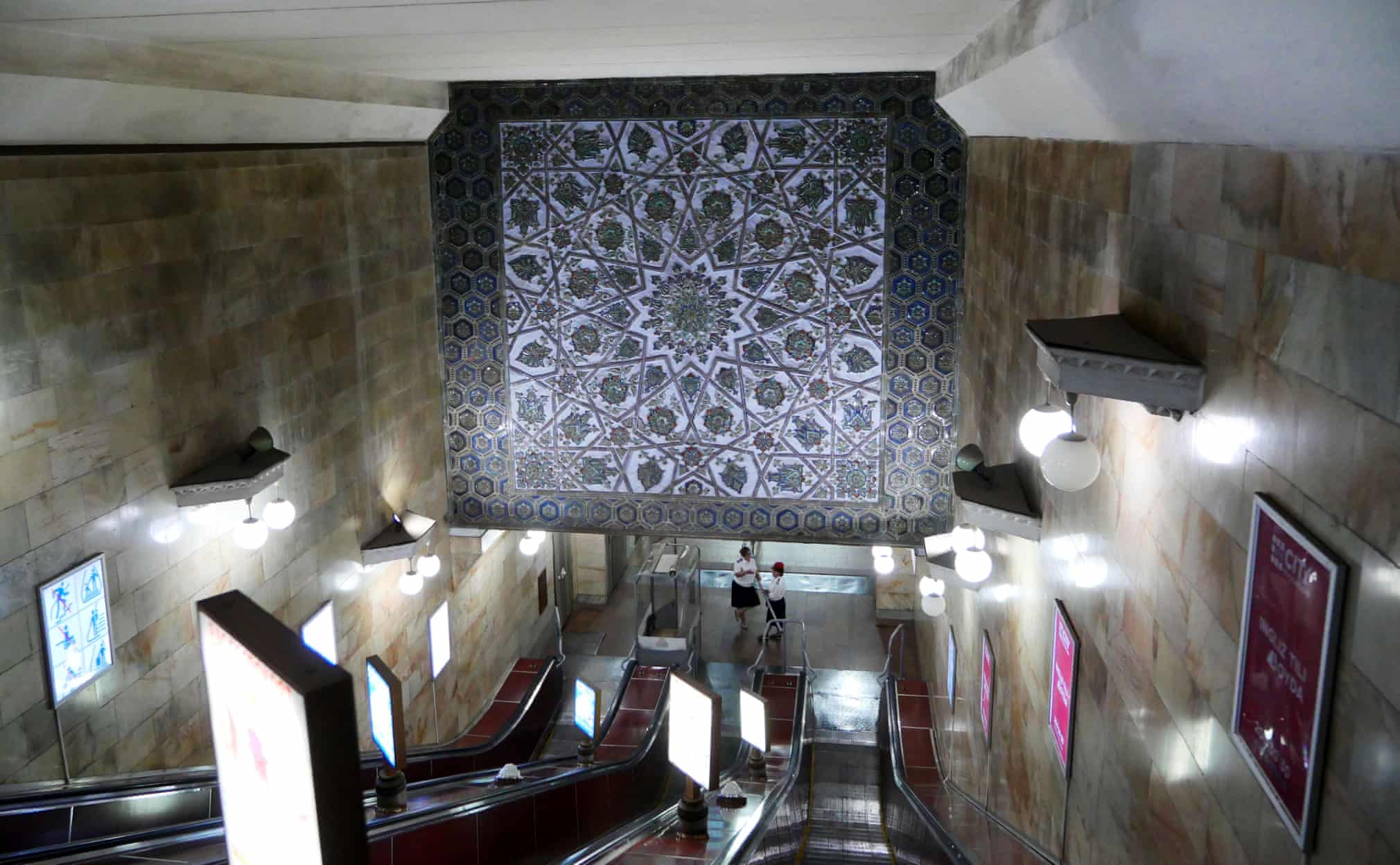
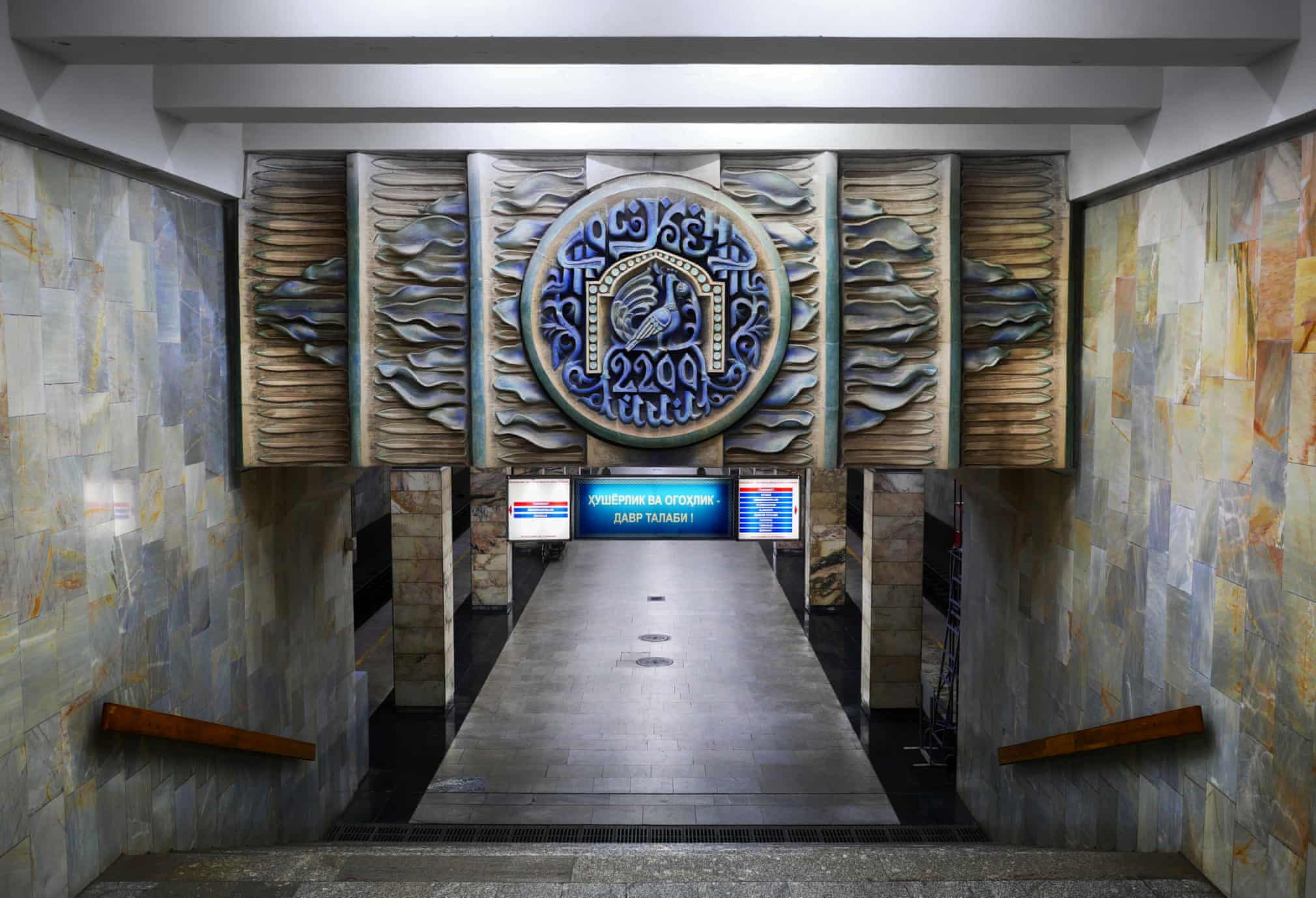
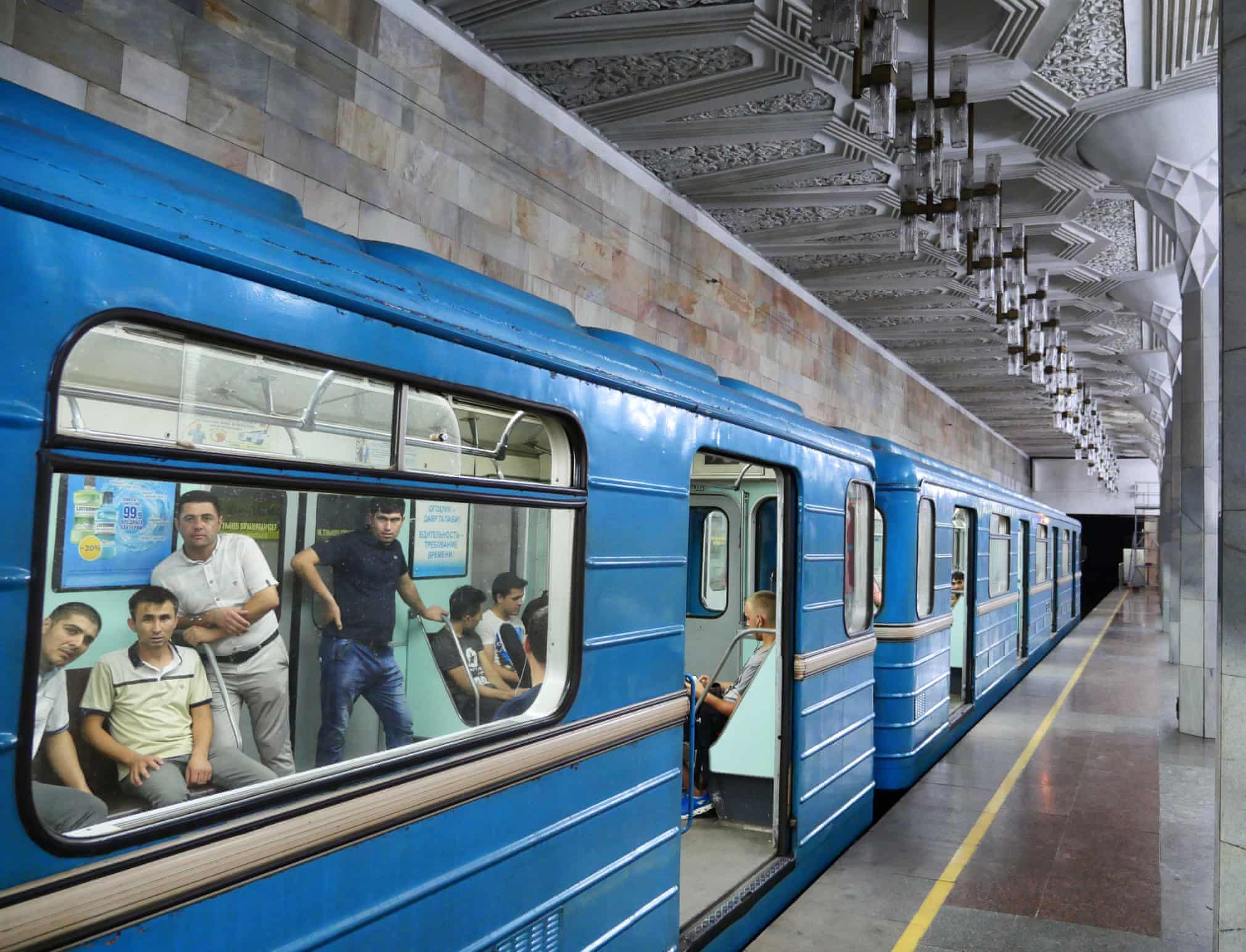
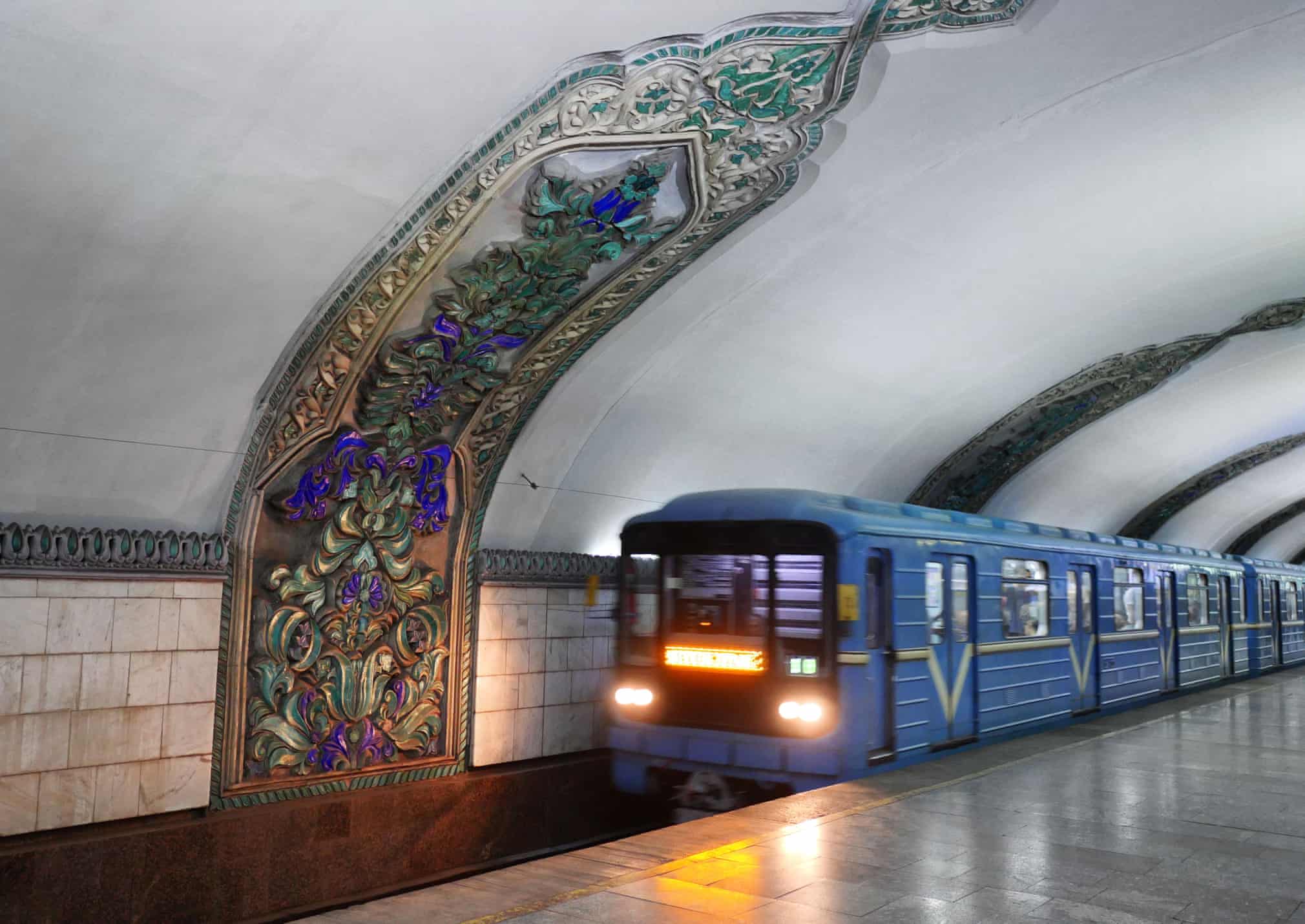
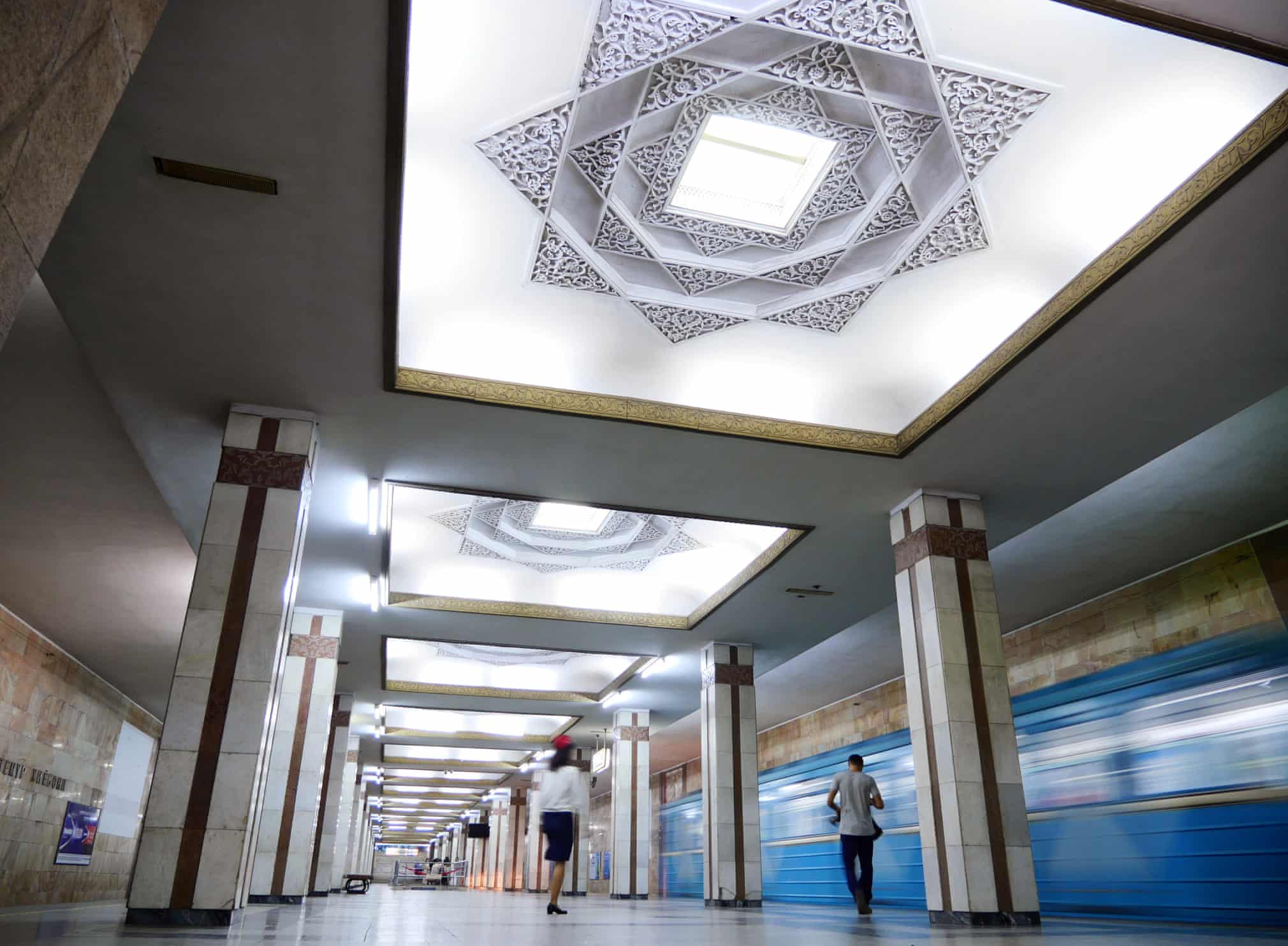
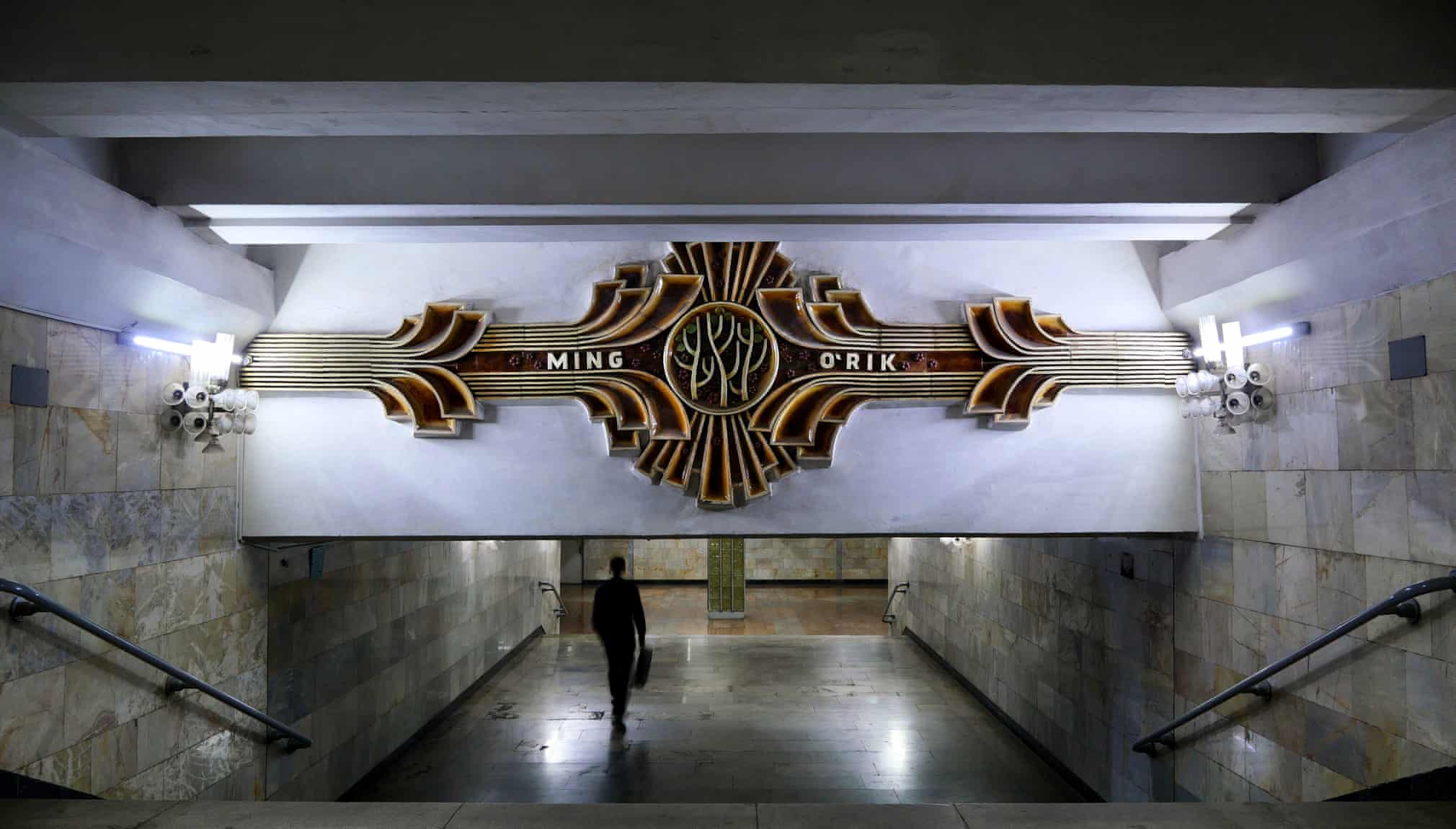
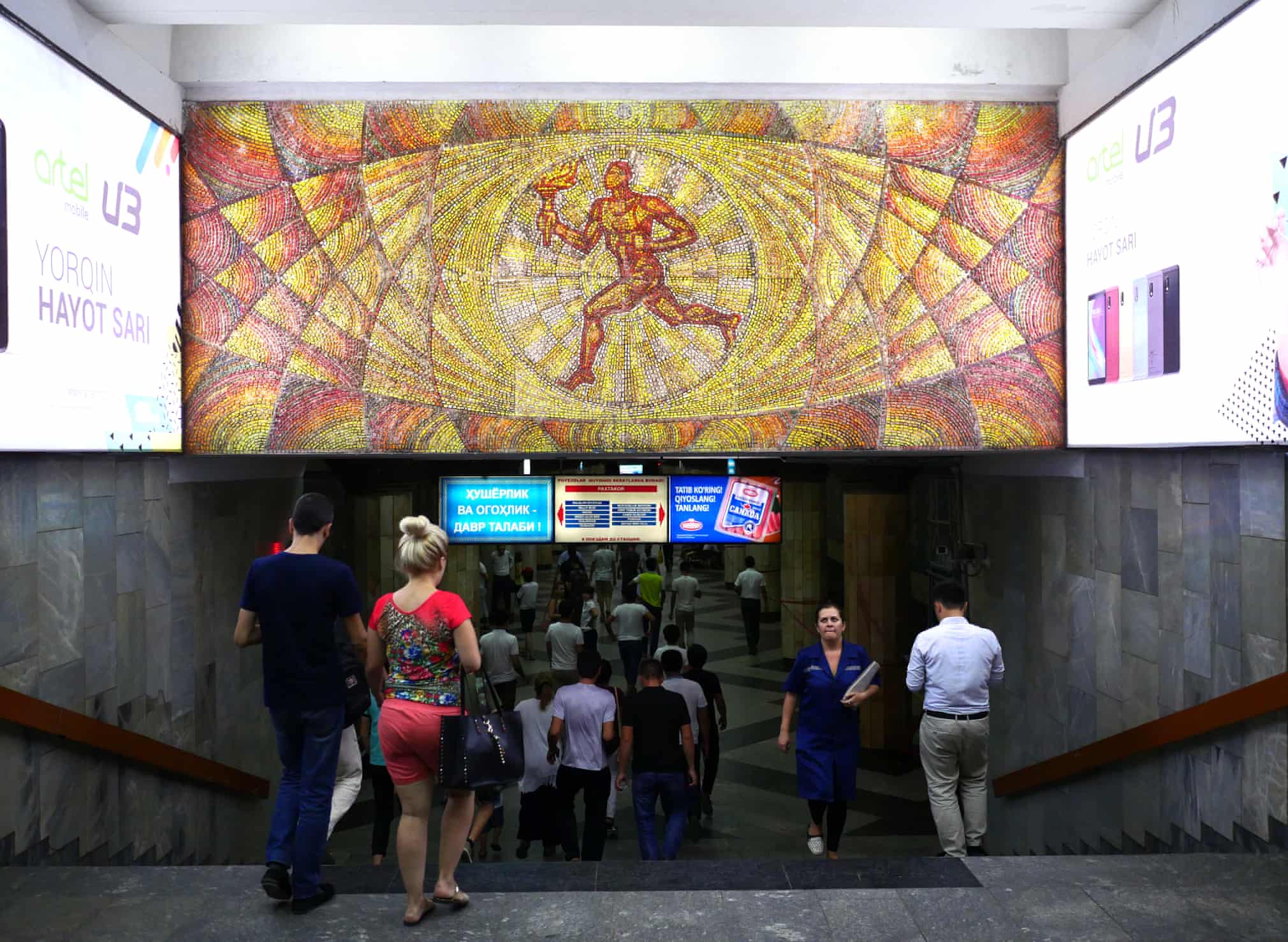
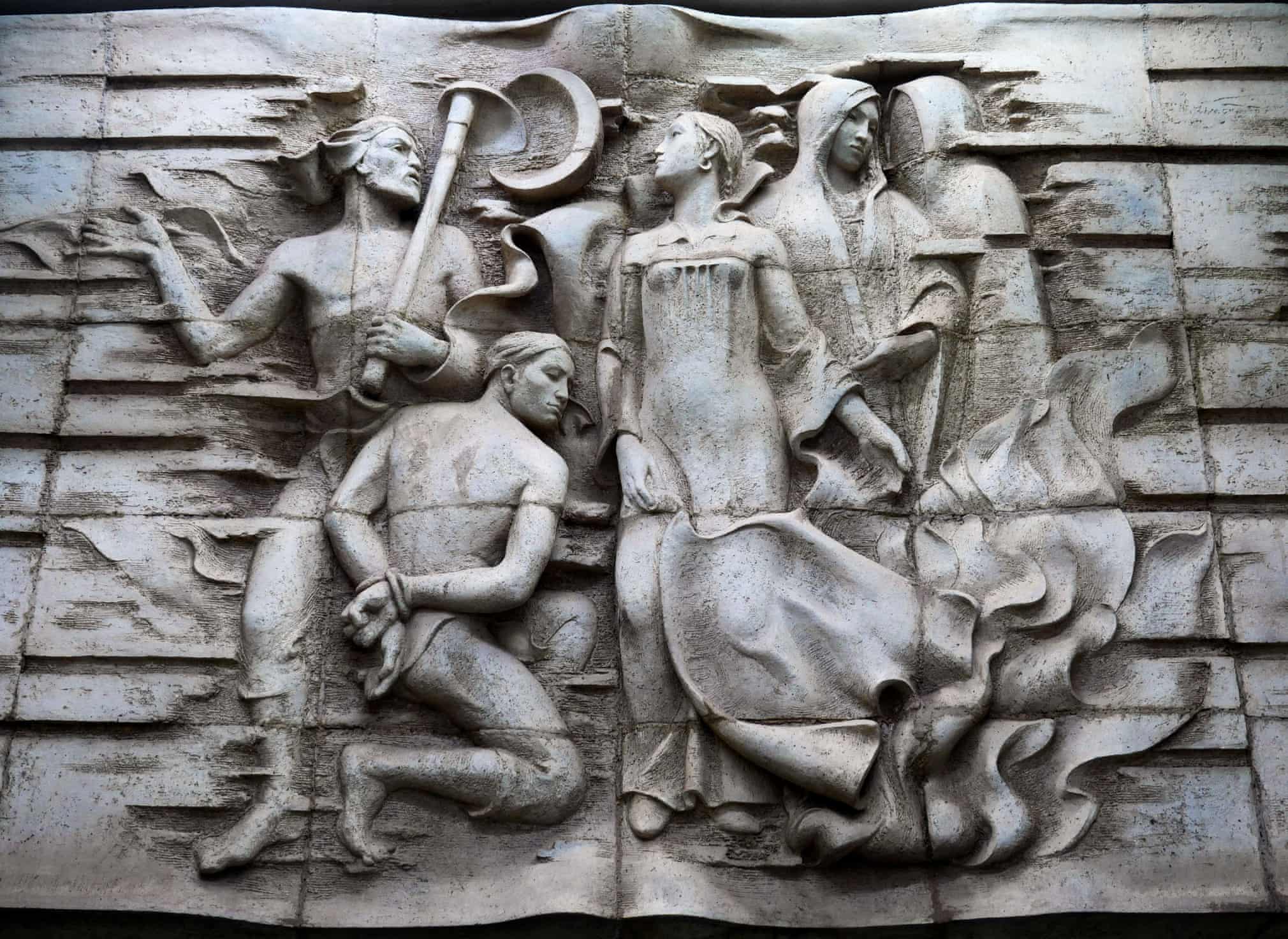
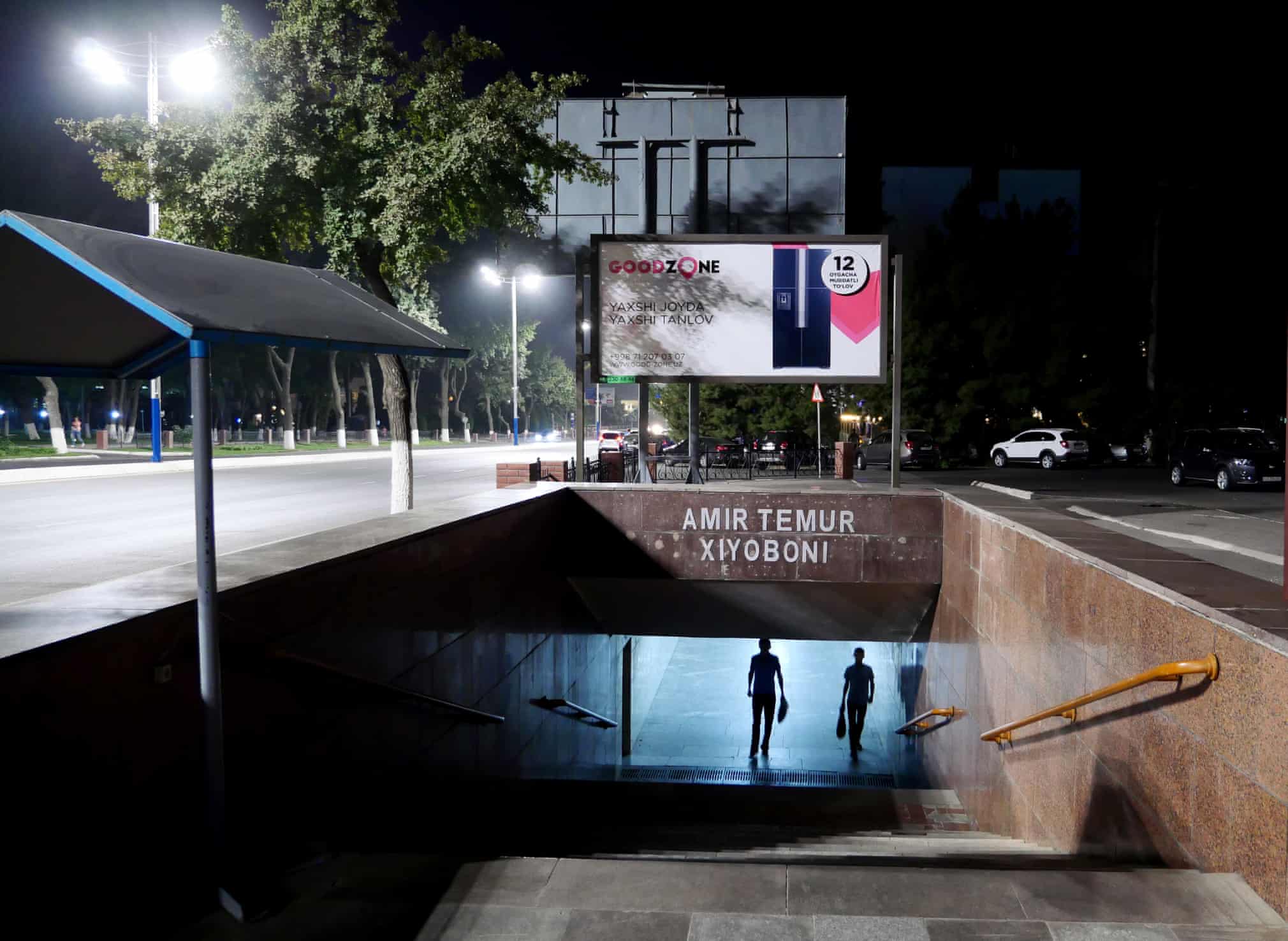
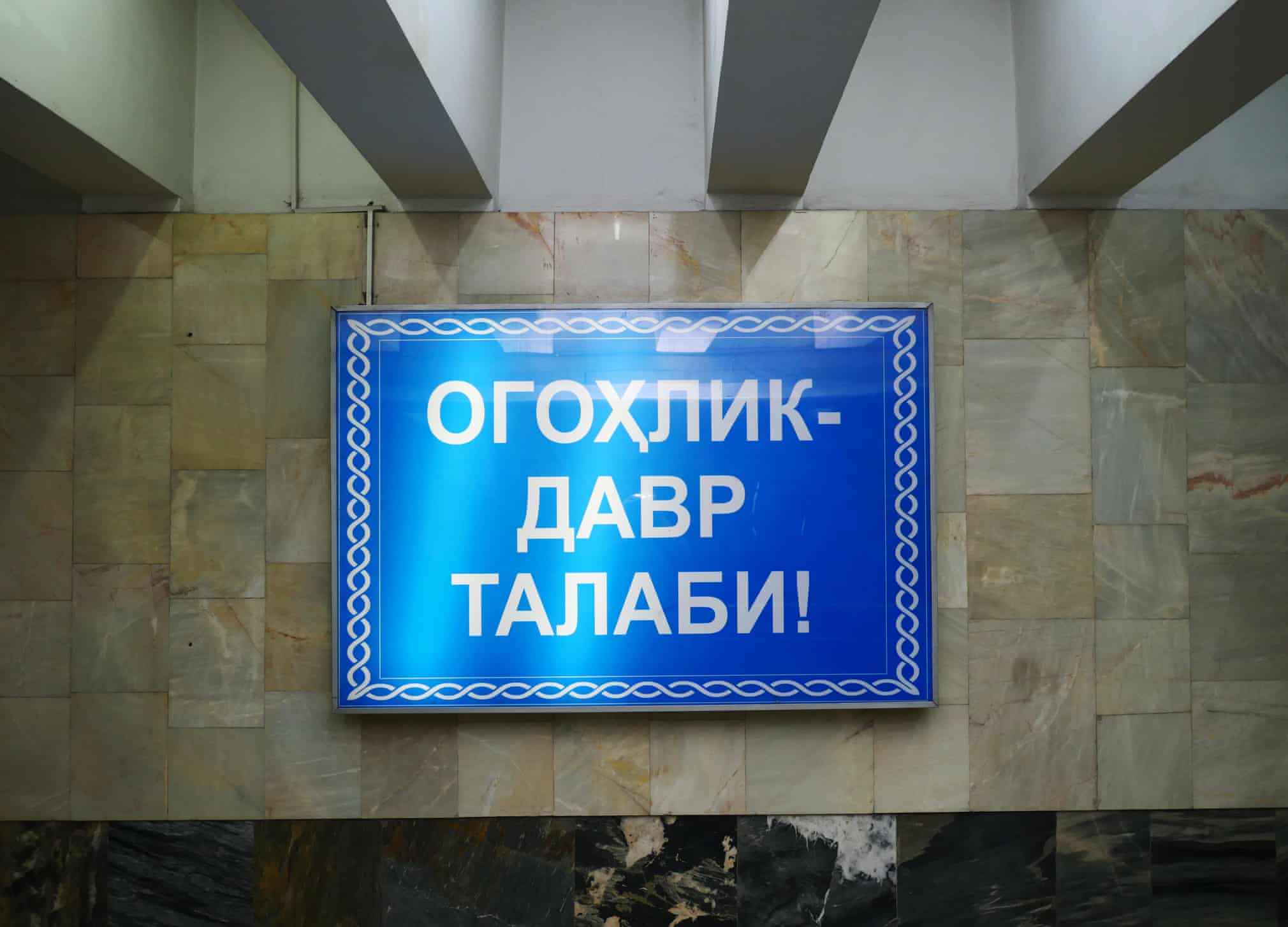
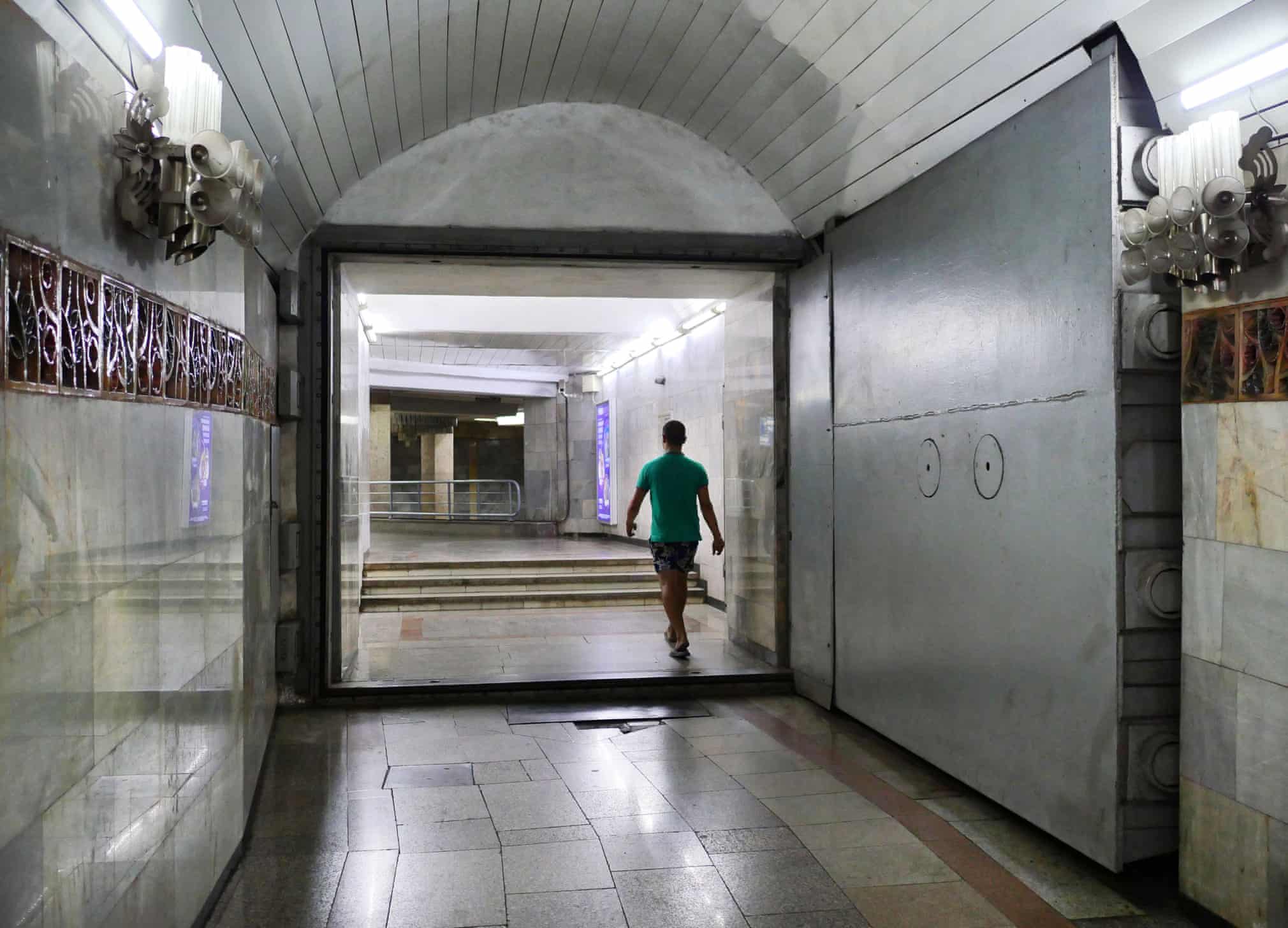
Behold, the Tashkent metro, Uzbekistan, also an underground art gallery. Beautifully crafted and free for public consumption. Before you say it, yes this isn’t street art. But what else was there to find in this post-soviet style state? I doubt Stalin was big on self expression, and that attitude seems to have held on till today.

The contrast between the dusty mad max city above and the shimmering tunnels below surprises even the most jaded tourists. It is a masterpiece of glazed columns, decorated ceilings, and shining tunnels. It is so beautiful that photographer Amos Chapple said “Soviet elements mingle with ancient Islamic designs. Angular shapes and sharpe edges expresses the power of the Russian empire, while sinuous lines and emerald hues represent Arabic styles.”. Obviously, according to the expert, the metro art is very beautiful, a mesh between the traditional Islamic patterns and rigid, powerful themes.

Yet, despite the fact that it is about as central to the city as it gets, when you go there, theres literally nobody else admiring the art. Because we don’t truly see art for the history, do we? We see them because they’re displayed in a museum. Because they’re popular. And if we don’t present them the right way, they might as well not exist. There is nothing wrong with how the art is presented, it is how we perceived what good art is.

Someday, we may realise the value here and be appalled at how little attention we paid to these art works. Or someday we may just tear it down so they can extend the train system. Honestly I don’t know. But just because art in our minds belong in a gallery, doesn’t mean that art in a different place holds any less meaning. I certainly believe that this place deserves more travellers, regardless of how we present them.

The art on display is fancy, and some people might say they don’t deserve to be showcased in a depressing place such as the metro. But public transport is intrinsically depressing, so tell me why don’t we colour our commutes more?

Its the heartland of headaches

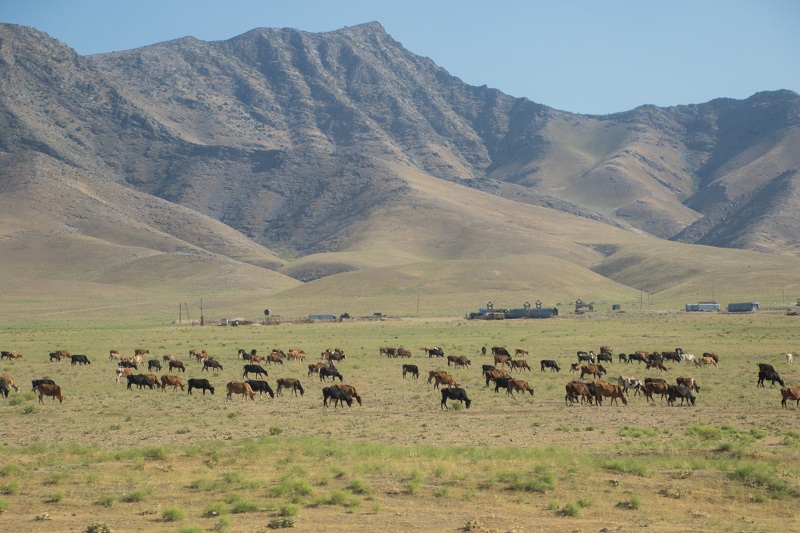
Horses in the Ferghana Valley enjoying the fertile lands

Welcome to the Ferghana Valley, Uzbekistan’s economical heartland but also the source of all its problems. Clustered between the Tien Shan and the Kuramin mountains, the Ferghana Valley is the agricultural, economical, and demographic heartland of Uzbekistan. Located at the merging of two rivers, the Kara Darya and the Naryn, it boasts the richest soil in all of Central Asia. Visited by Darius the Great, Alexander the Great, the Han dynasty, it also stands at the site of a long legacy of Central Asian silk production. What luck does the Uzbeks have right, so why haven’t they taken over the world? We’ll come to that later.

Uzbeks residing in the Ferghana Valley refer to themselves as the “True Uzbeks”, deliberately mocking their compatriots across the mountain ranges as bogus, fake Uzbeks. Endearingly of course, which I think is hilarious.

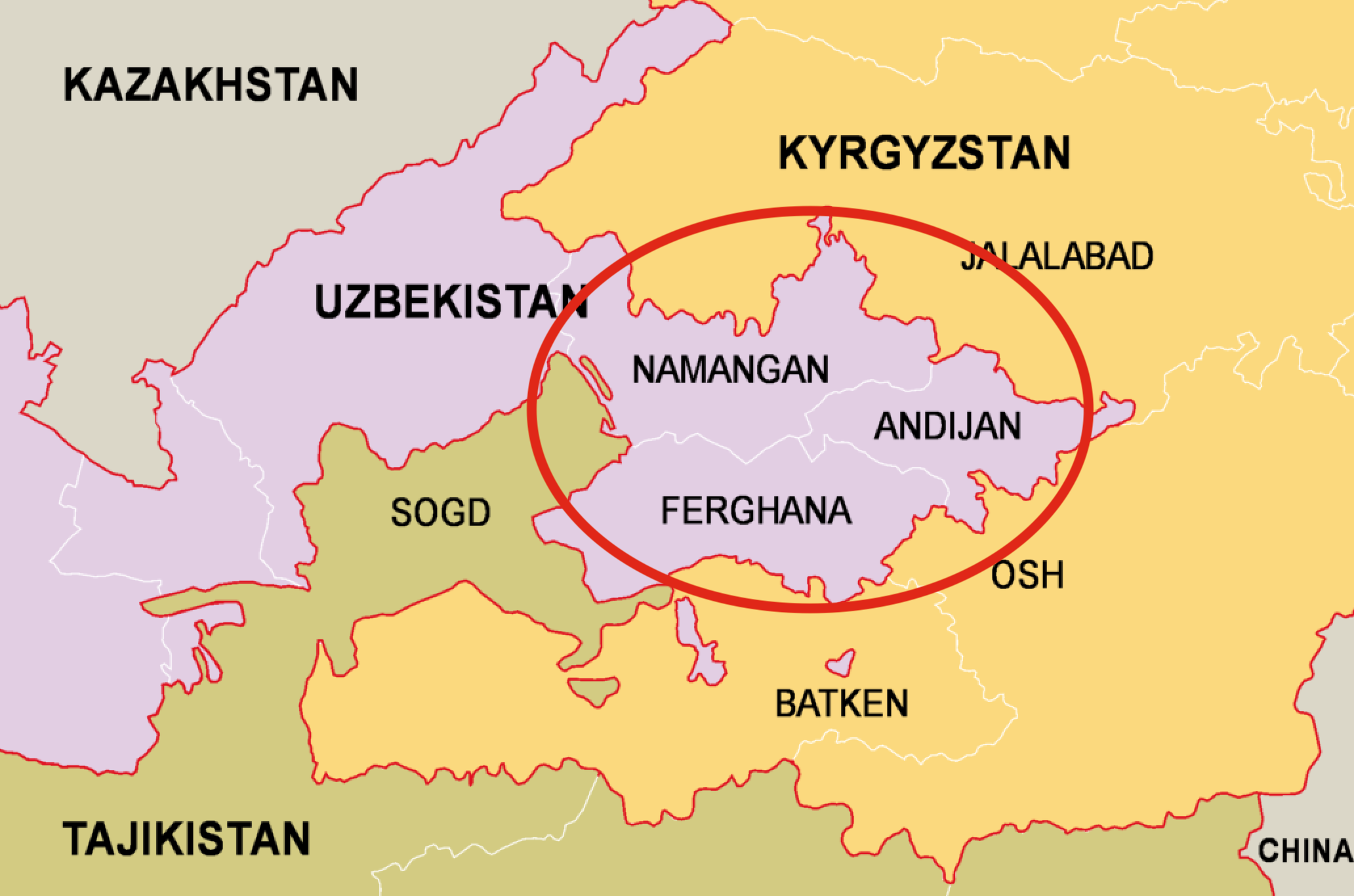
The Ferghana Valley consists of the regions of Ferghana, Namangan, and Andijian

But for the True Uzbeks, the wealth of the Valley comes at a high price. Encircled by mountains, the Valley is only accessible through the narrow Kamchik Pass (that narrow purple neck), certainly a bumpy ride. Consequently, Uzbeks travelling from the Valley to the political capital Tashkent have to drive through the natural flatland outlet to the West owned by Tajikistan.

Tajikistan is obviously not happy about all the admin work due to the mass of Uzbeks flooding to and fro its already porous borders. The unusual borders undermine the sovereignty of their country, causing frequent border disputes and has since become a breeding ground for smuggling and ethnic violence.

The Ferghana Valley is itself an irony. Wealth brings about a whole array of other problems for Uzbekistan. Its rivals seek to leverage their influence in the valley for their own gain and the fragility of the valley’s environment threatens the power that the government wields. If there is a lesson here, it would be to never take good fortune for granted. The future of the Valley will be decided by which direction the Uzbek people take, we can only guess what its fate would be.

Why does anyone travel at all?

In my reading exercise for my first week, I was required to read an article titled “Why We Travel” by Pico Iver Journeys.

A quote that struck me was “We live without a past or future, for a moment at least, and are ourselves up for grabs and open to interpretation.”.

This line resonated with me. Every time I travel, it was a journey as much on the inside as the outside. Travelling evidently brings new sights and sounds, expanding our range of experiences. But we are also put in an environment where the individuals around us do not have an expectation on how we should act. There are no compatriots around us to regulate our behaviour and there are no friends nor family around us to check our actions. We are open to act in a way without repercussion. Who is to say that we might turn out to be more resourceful or confident than we previously thought? We could discover in ourselves a different side to our identity, laying dormant, just waiting for the opportunity to manifest into our conscious self.

As of now, I am studying as an international student in Melbourne. Initially, I pictured myself enjoying the sights and scenery that Melbourne has to offer. After a year however, the sights and scenery of Melbourne is not what I celebrate about studying abroad. What I celebrate is the overcoming cultural barriers between me and the locals, living alone, managing my finances, planning my leisure activities, and fashioning out my own principles to life. I enjoy being a different person. When I develop communication skills in the Australian culture, I am doing so without the deep-seated habits of my original culture. I feel more confident now, as the foreign environment has shaped into a more complete, more versatile person.

Design a site like this with WordPress.com
Get started