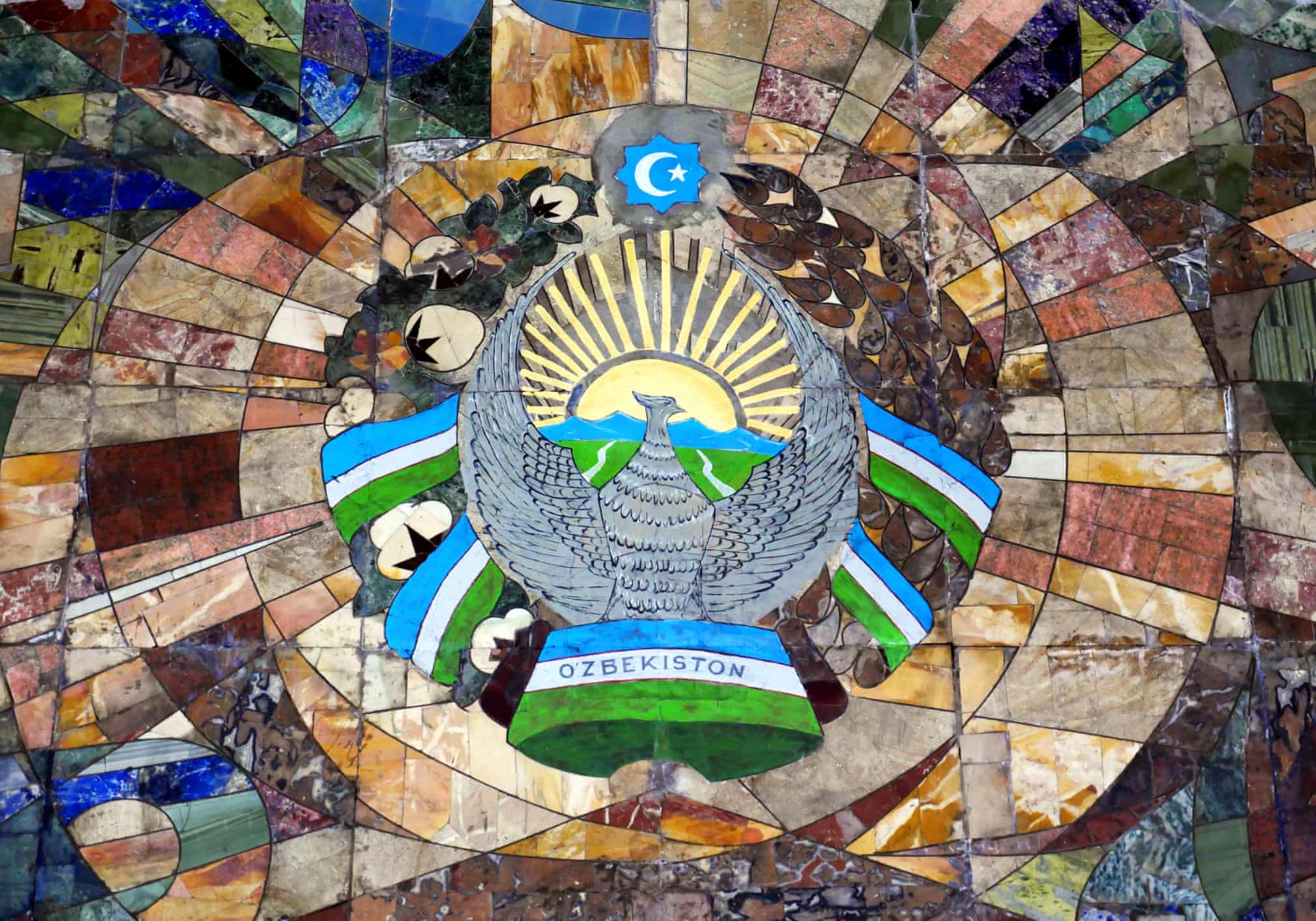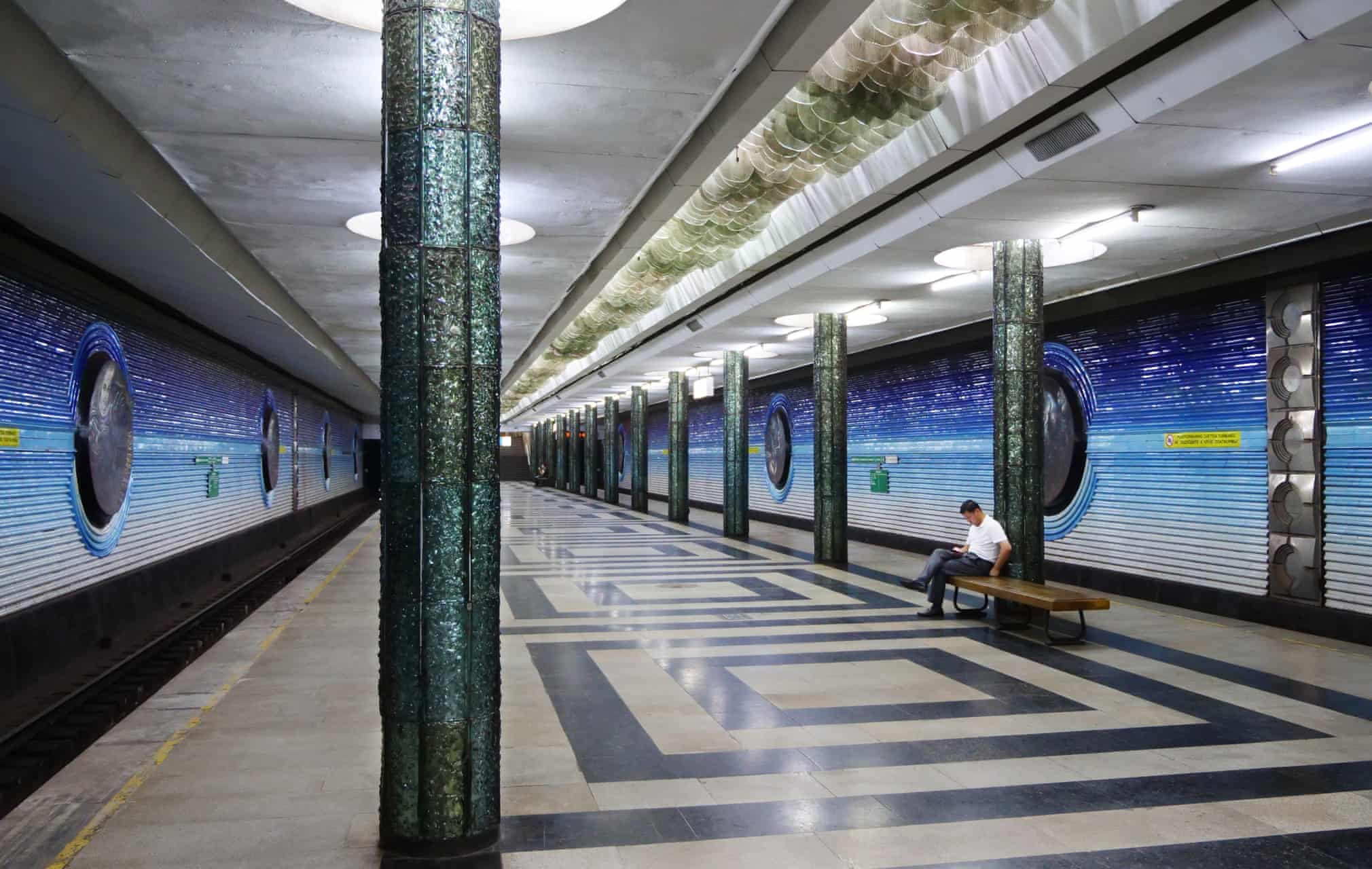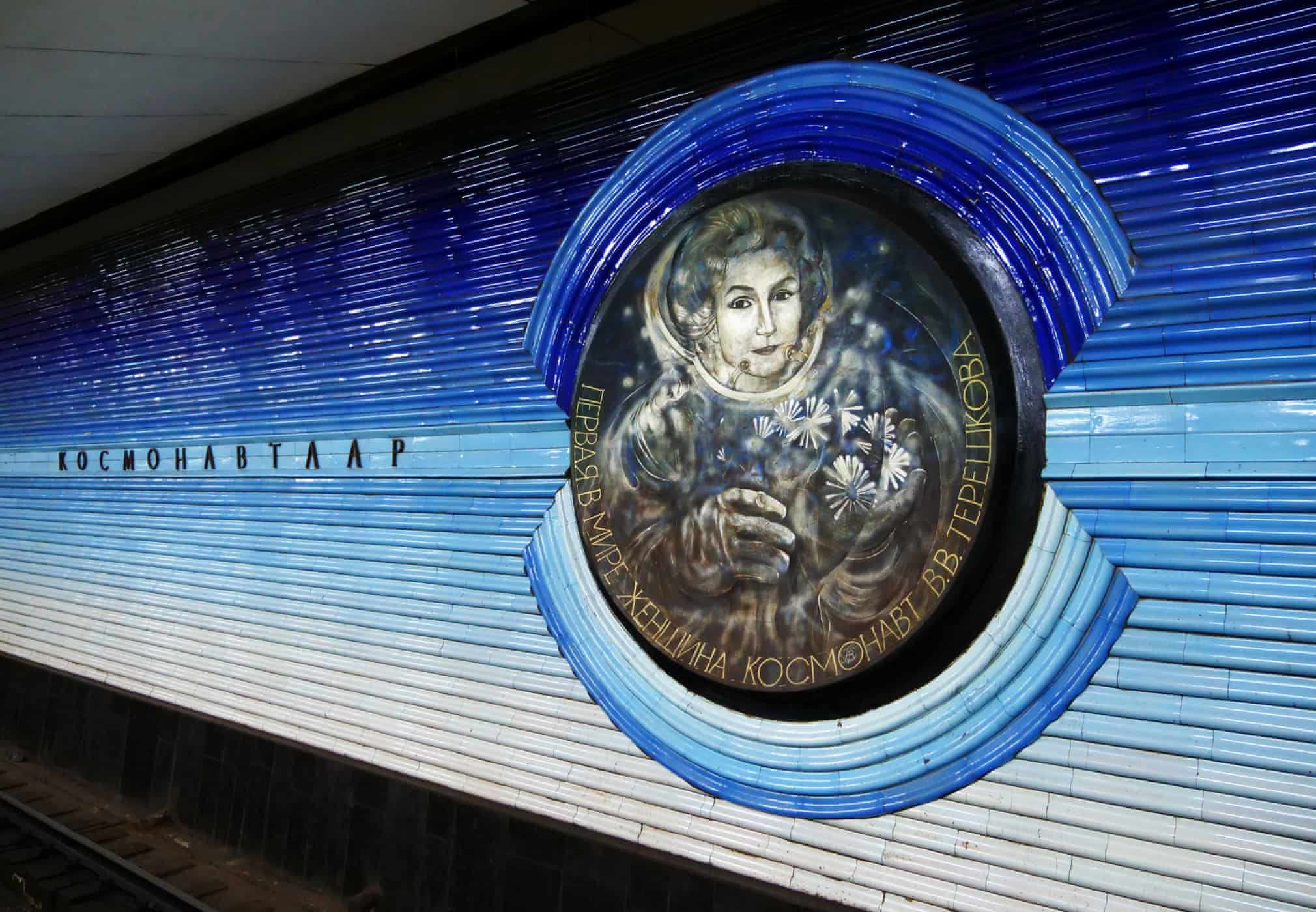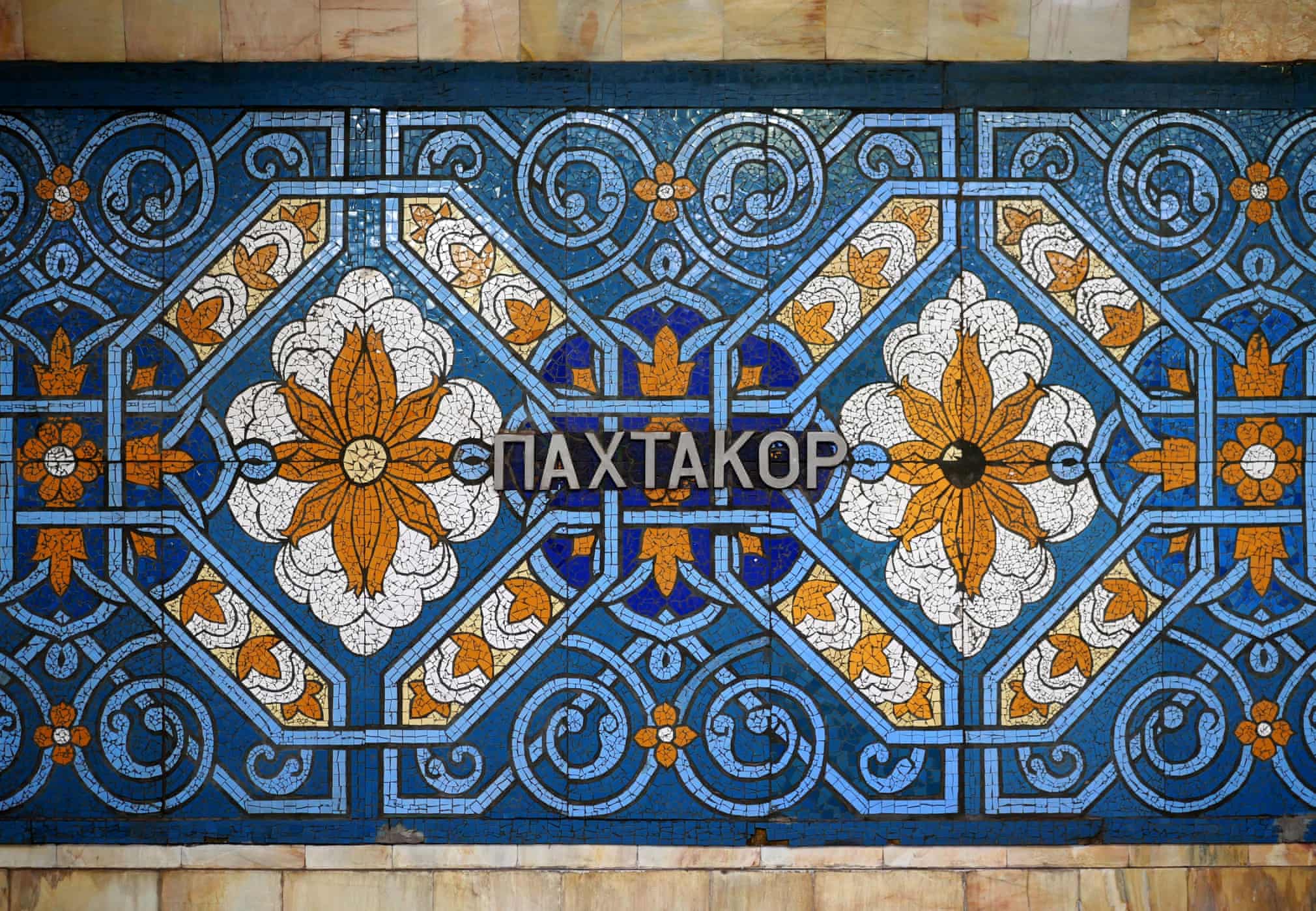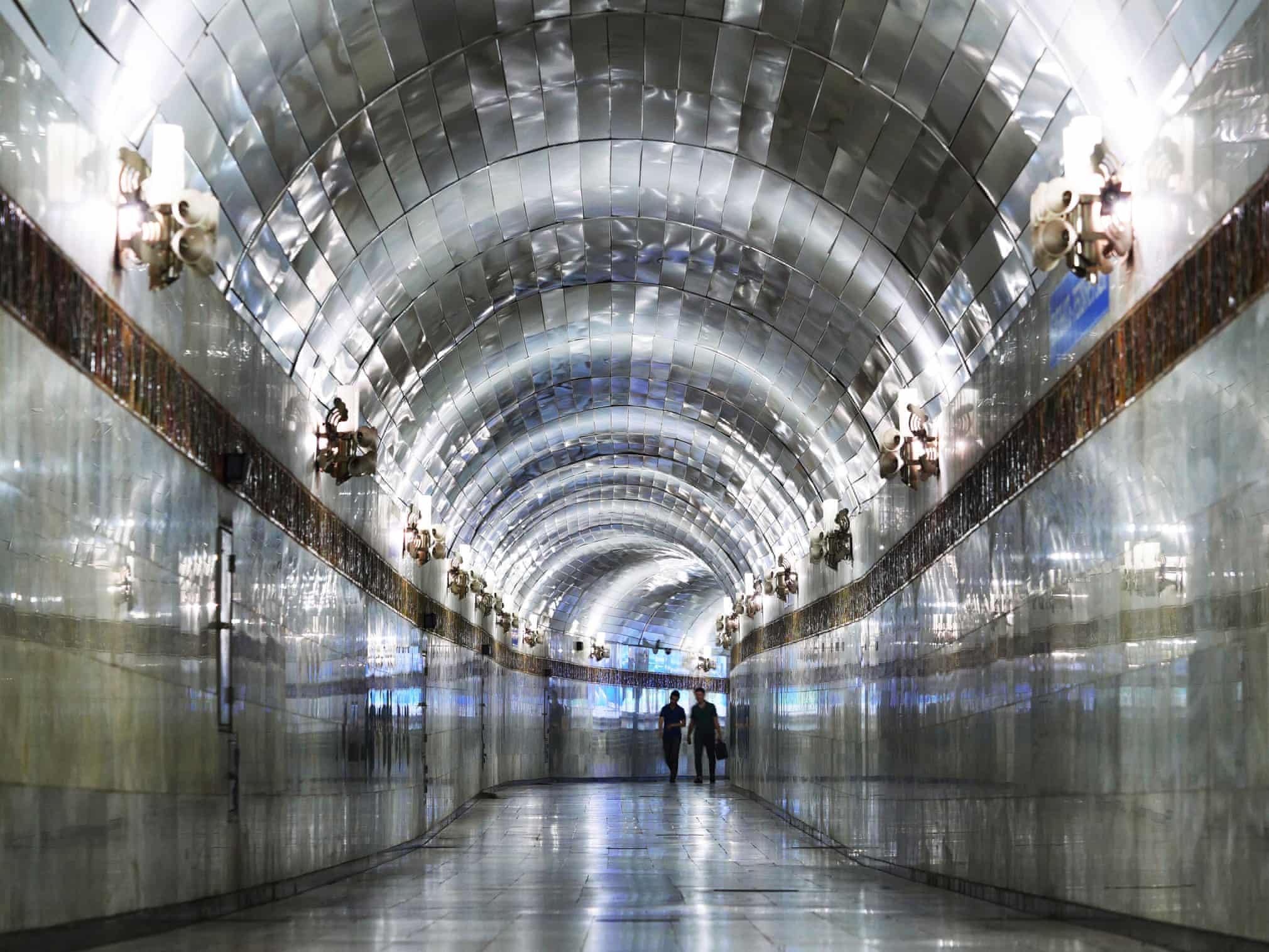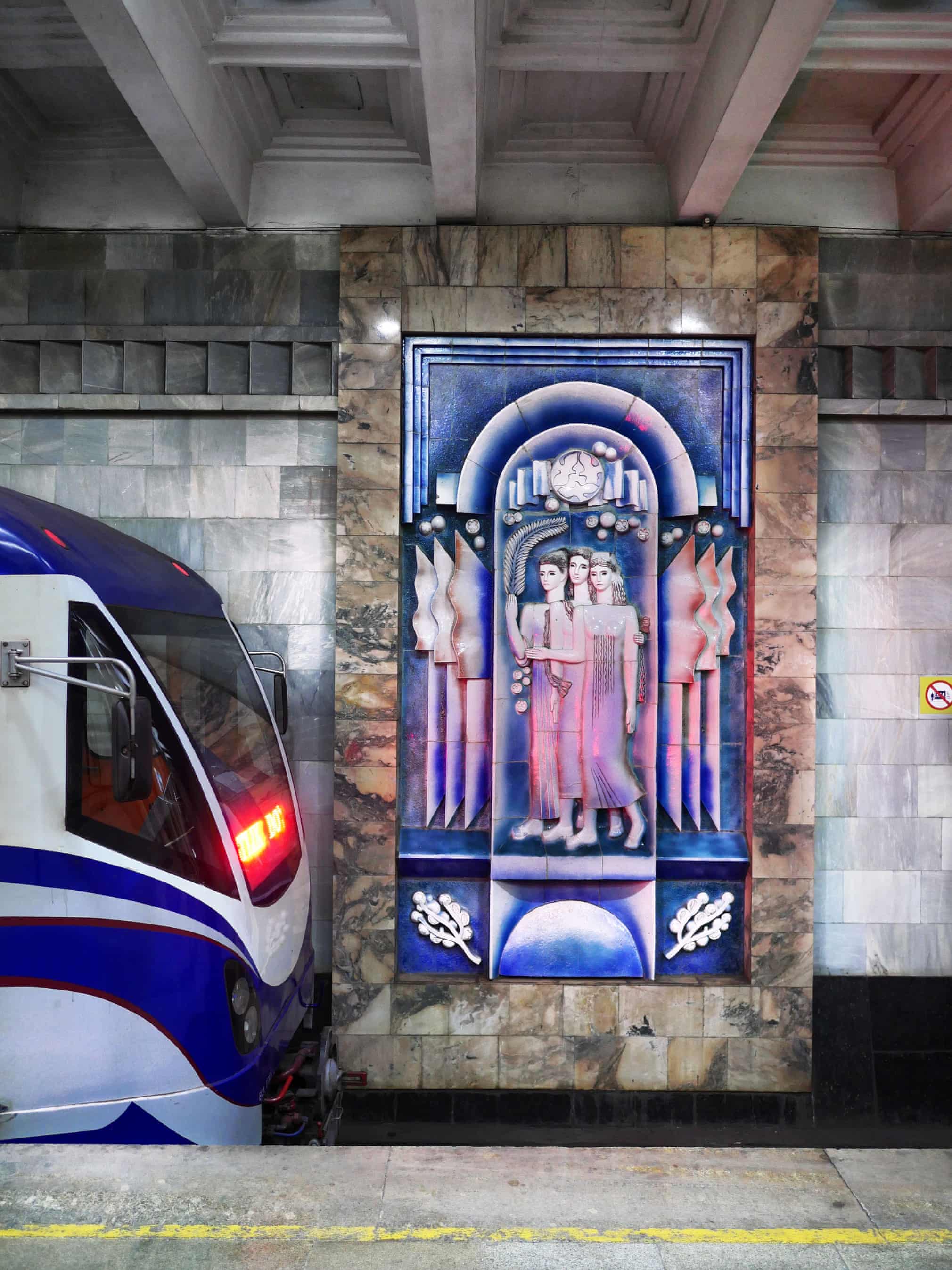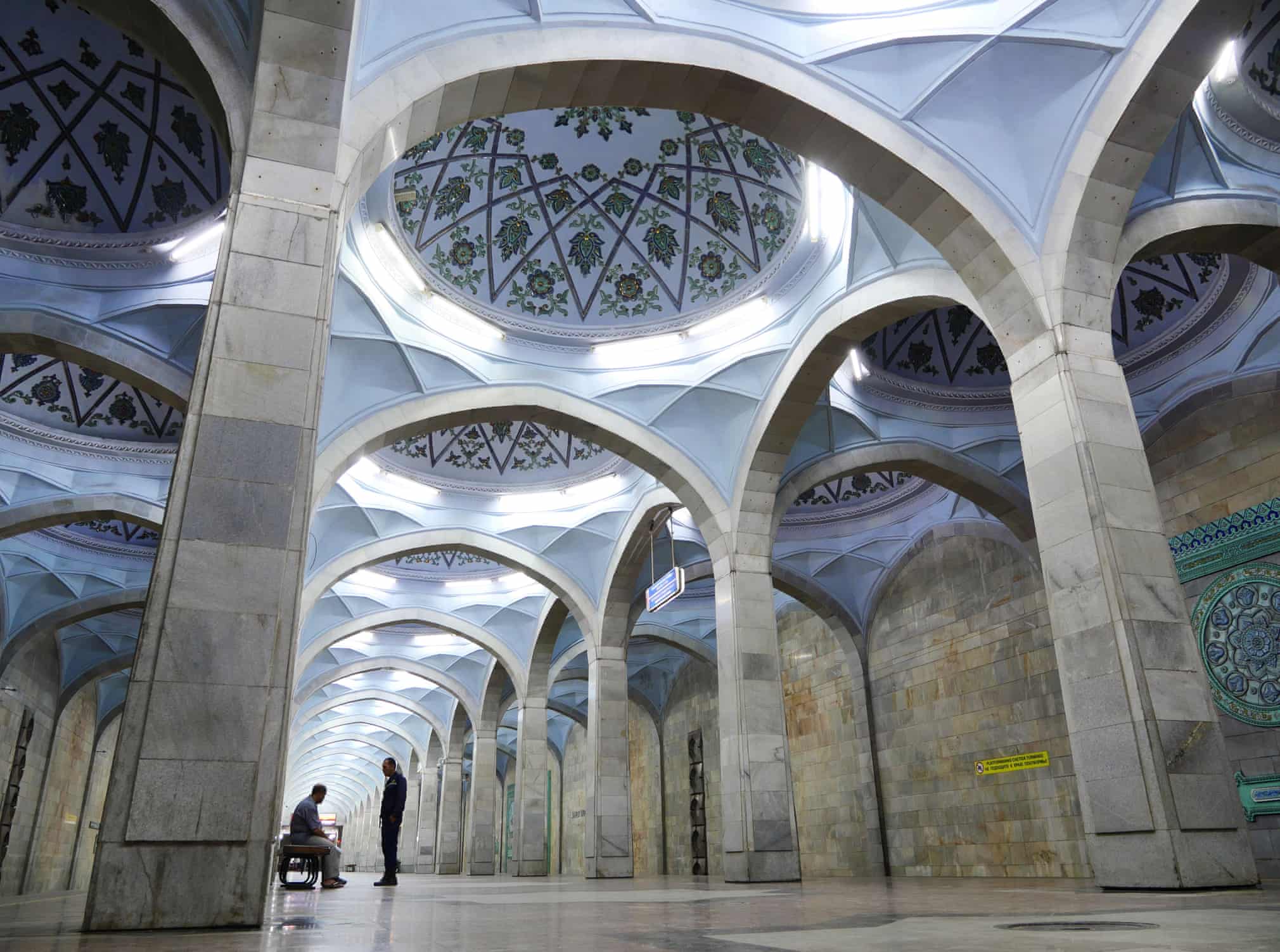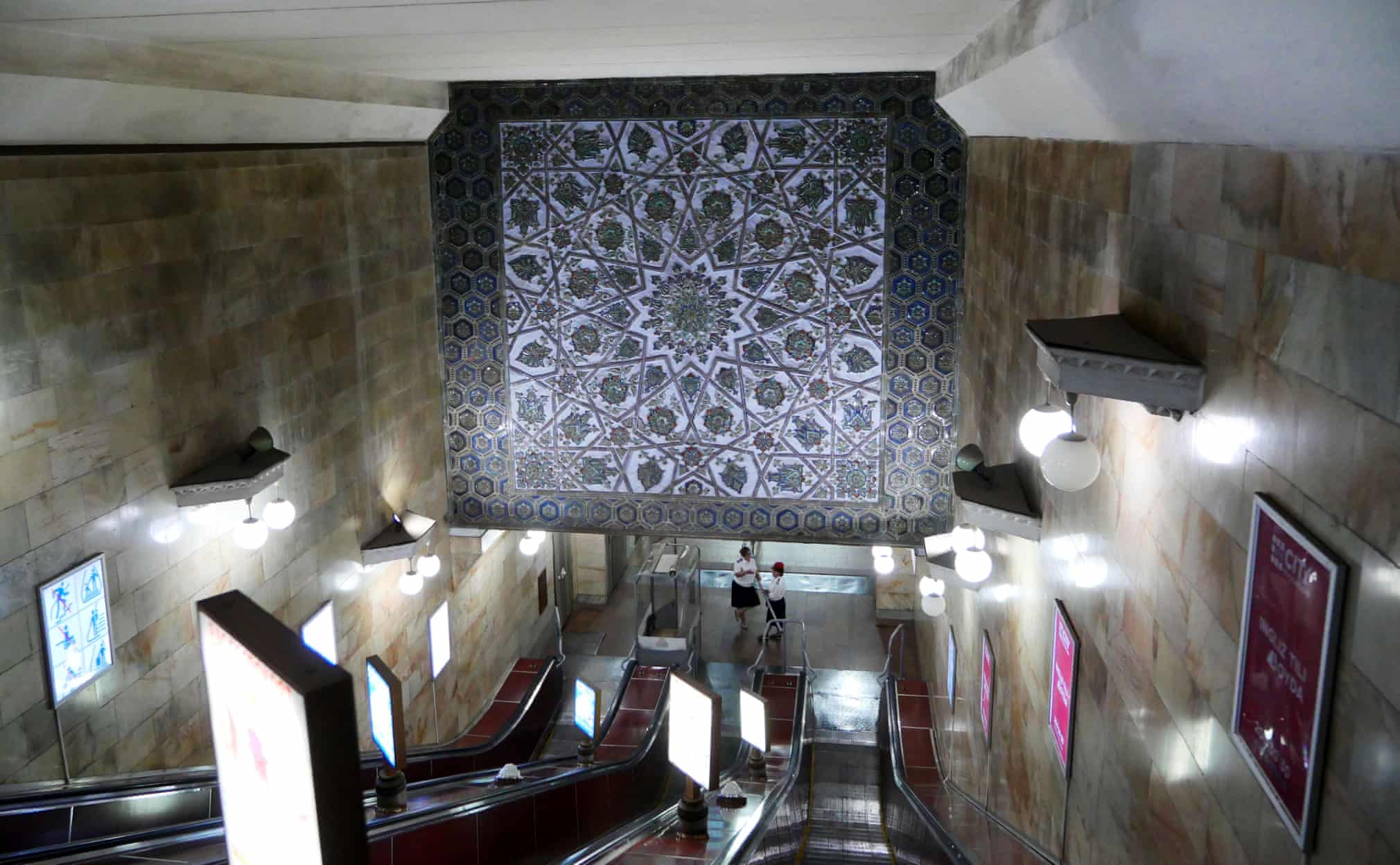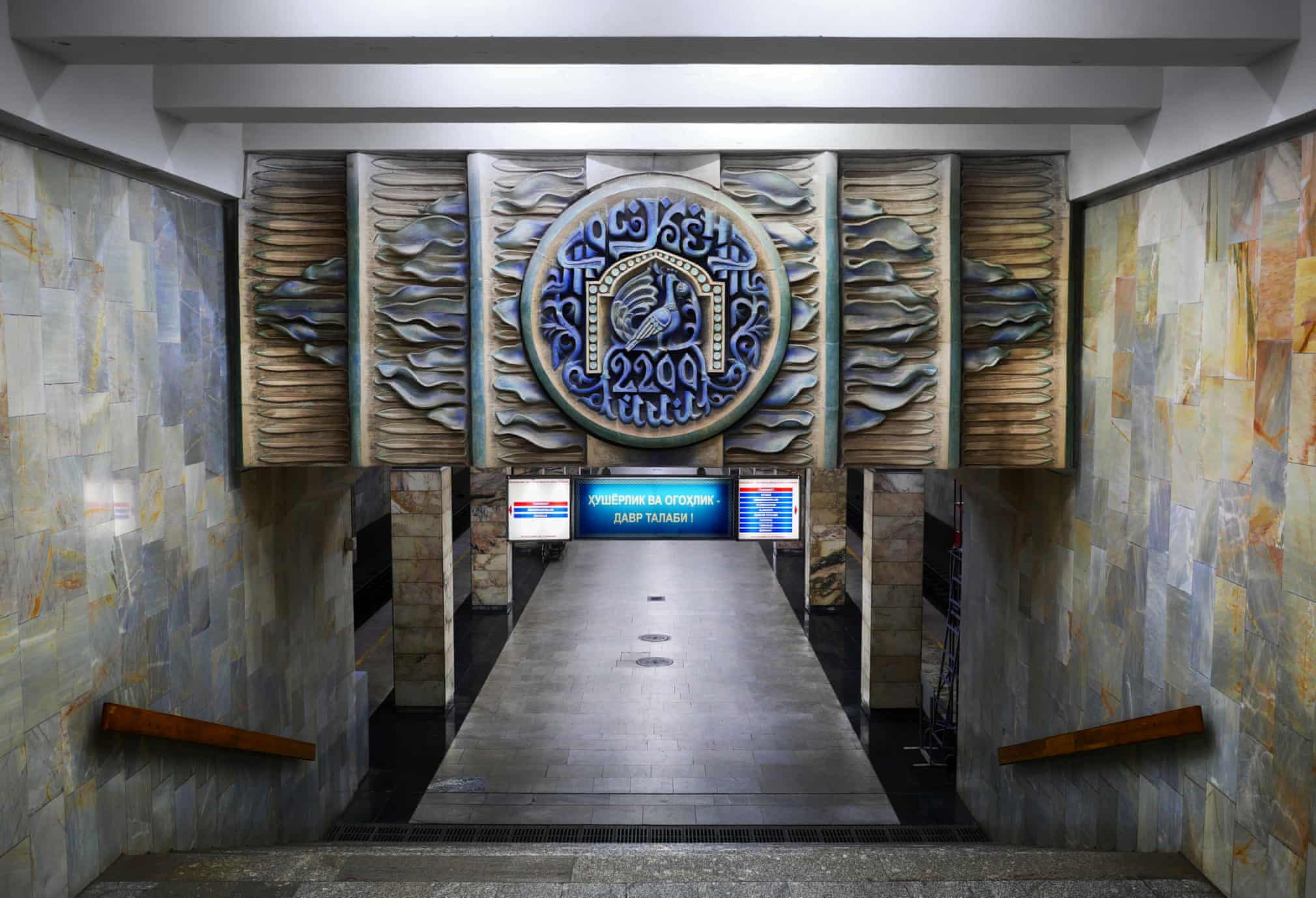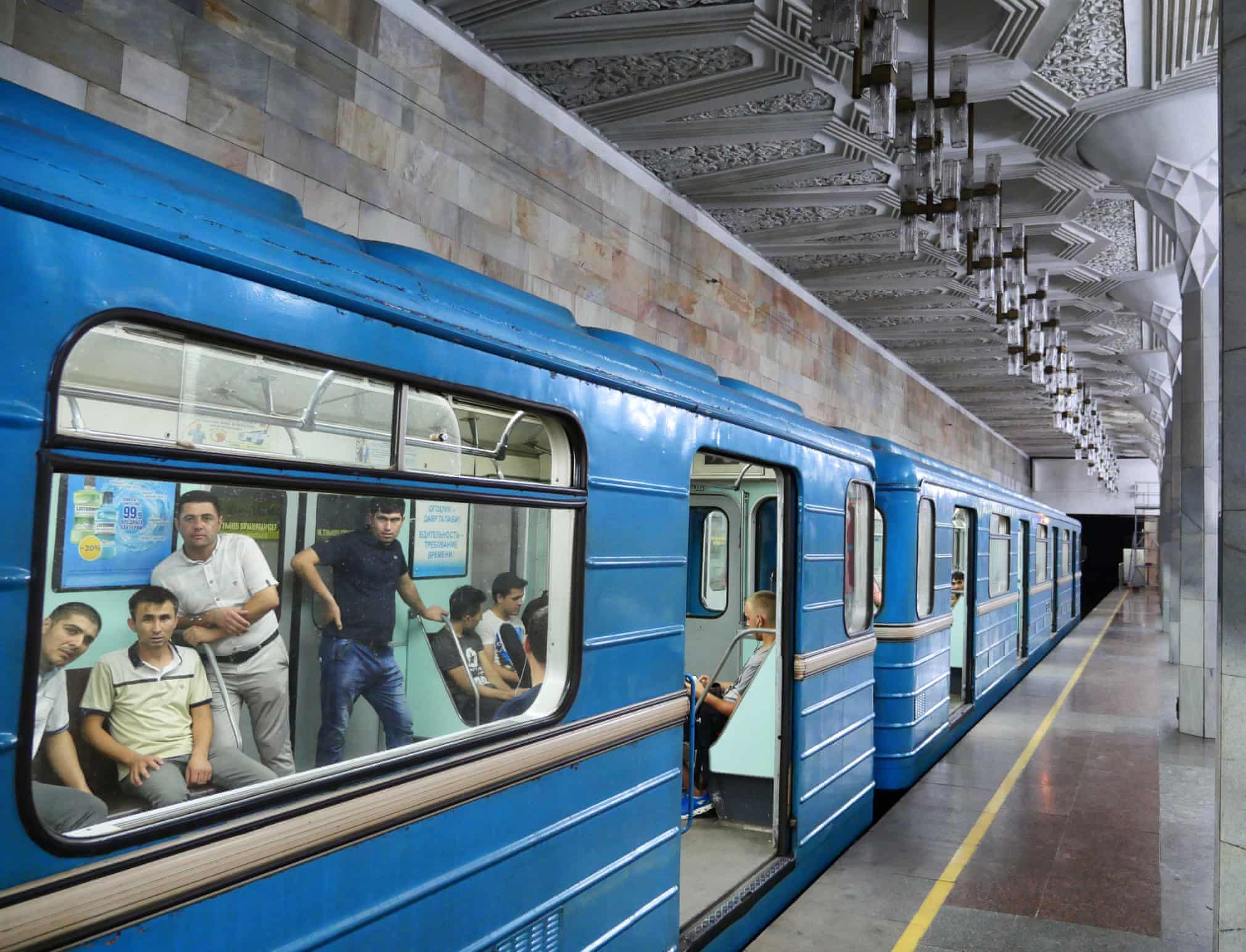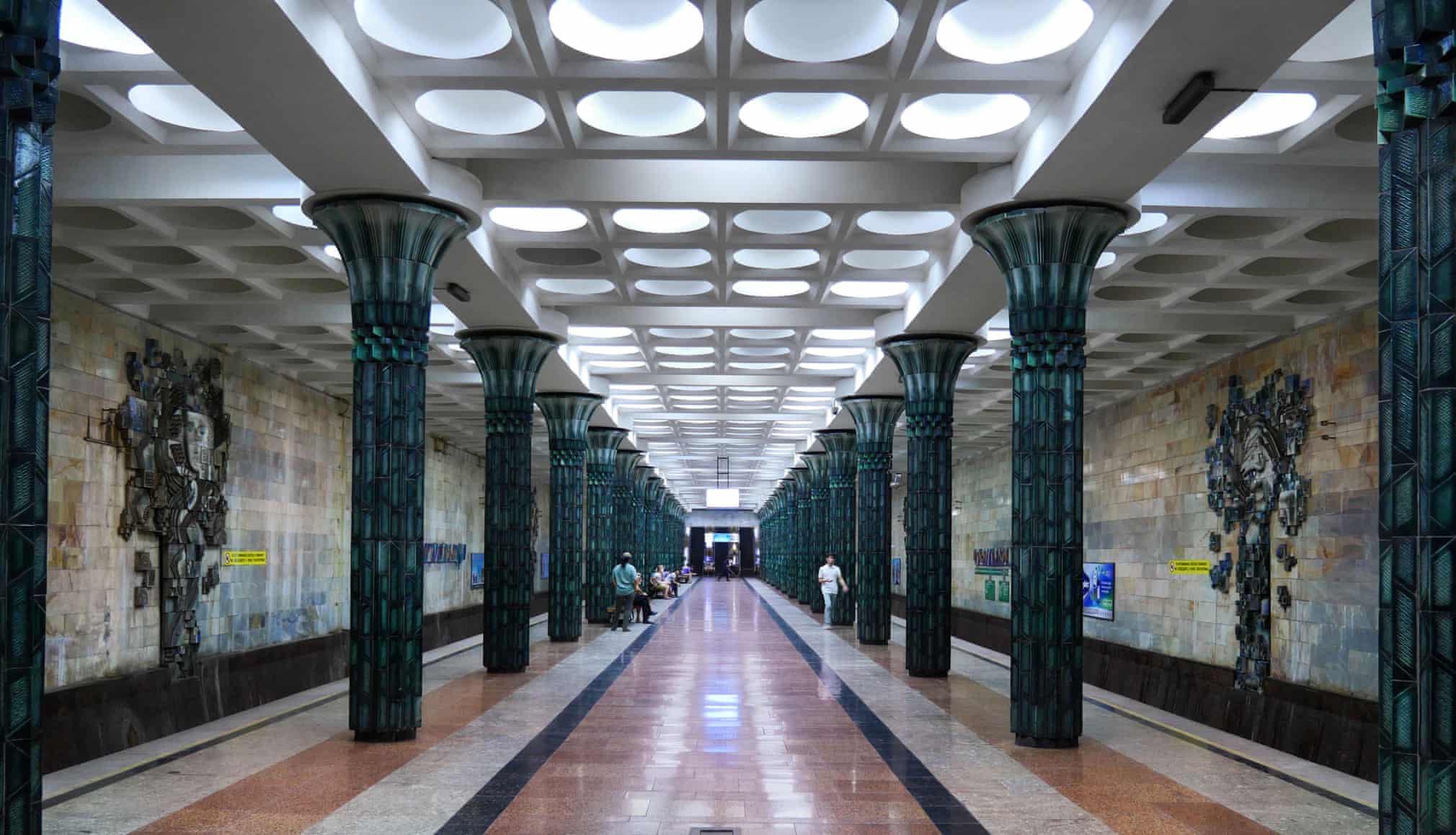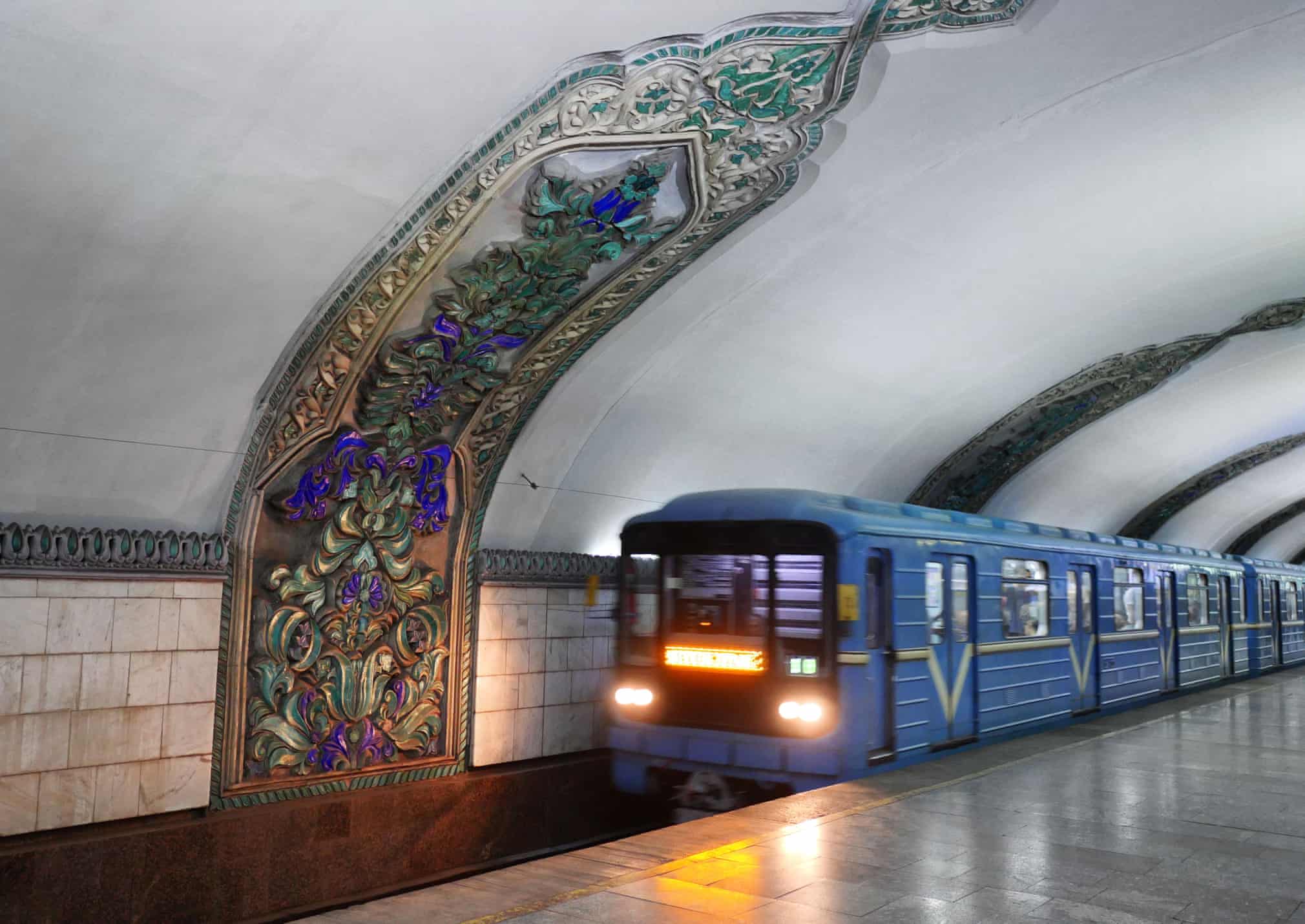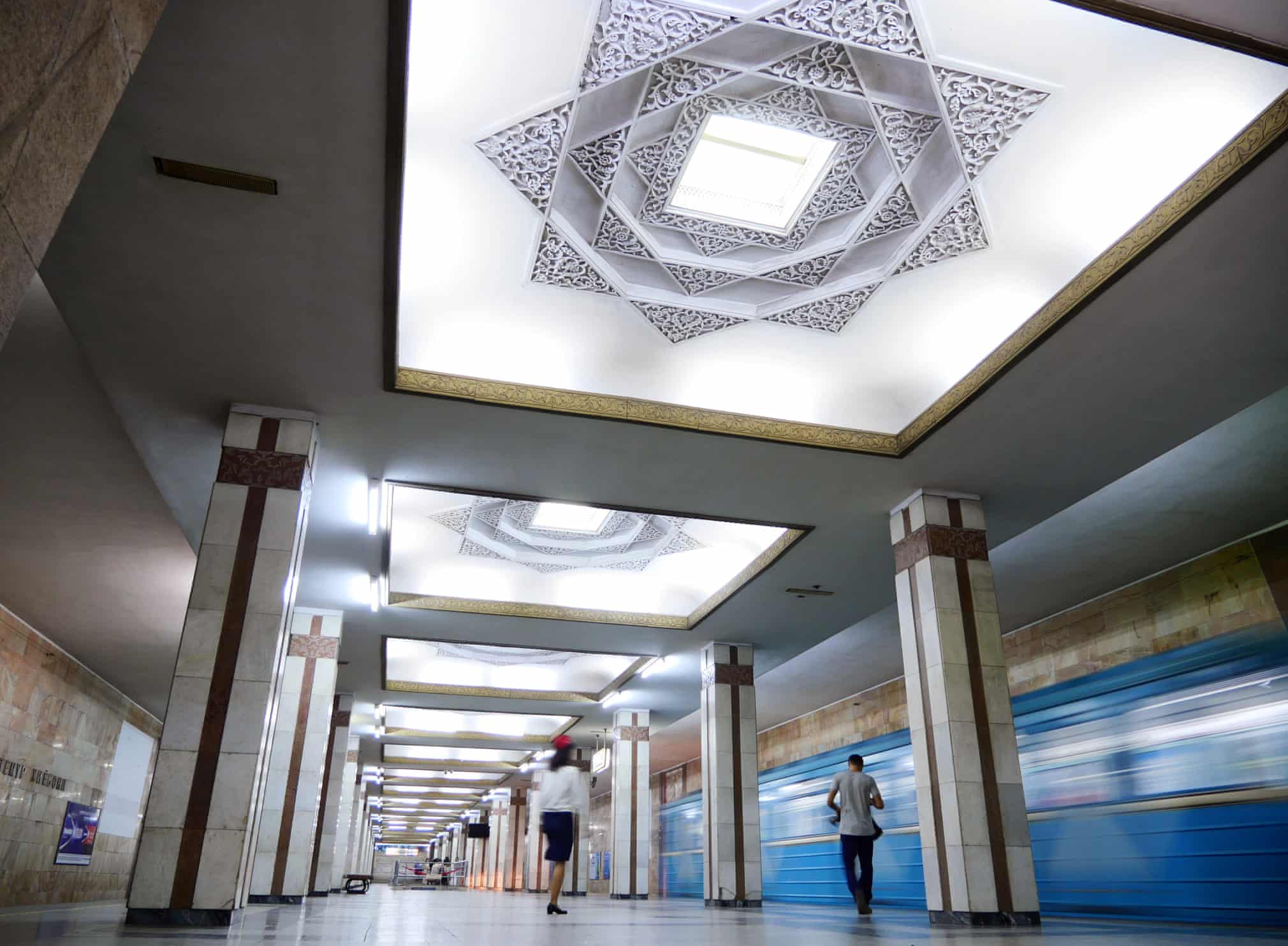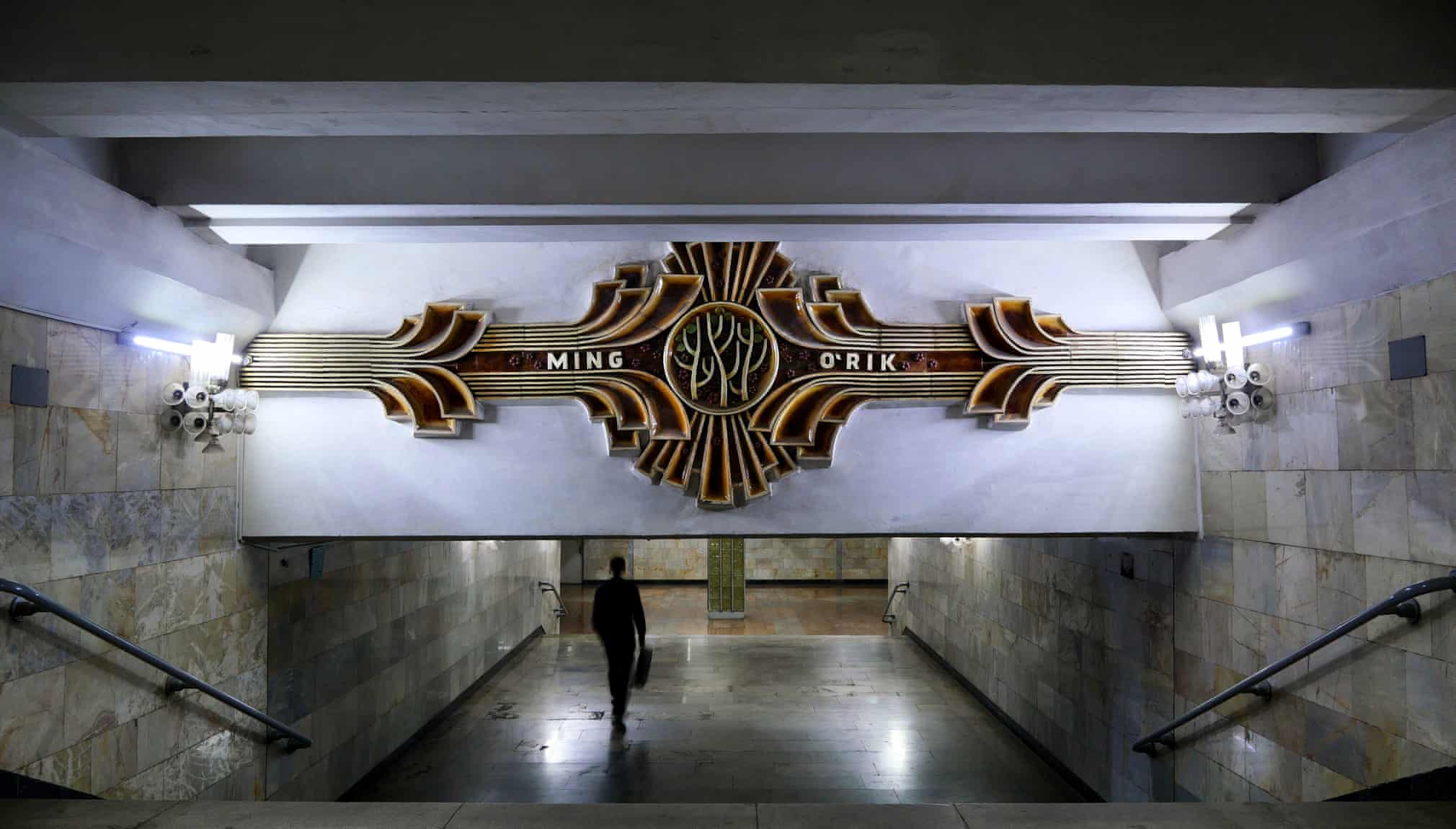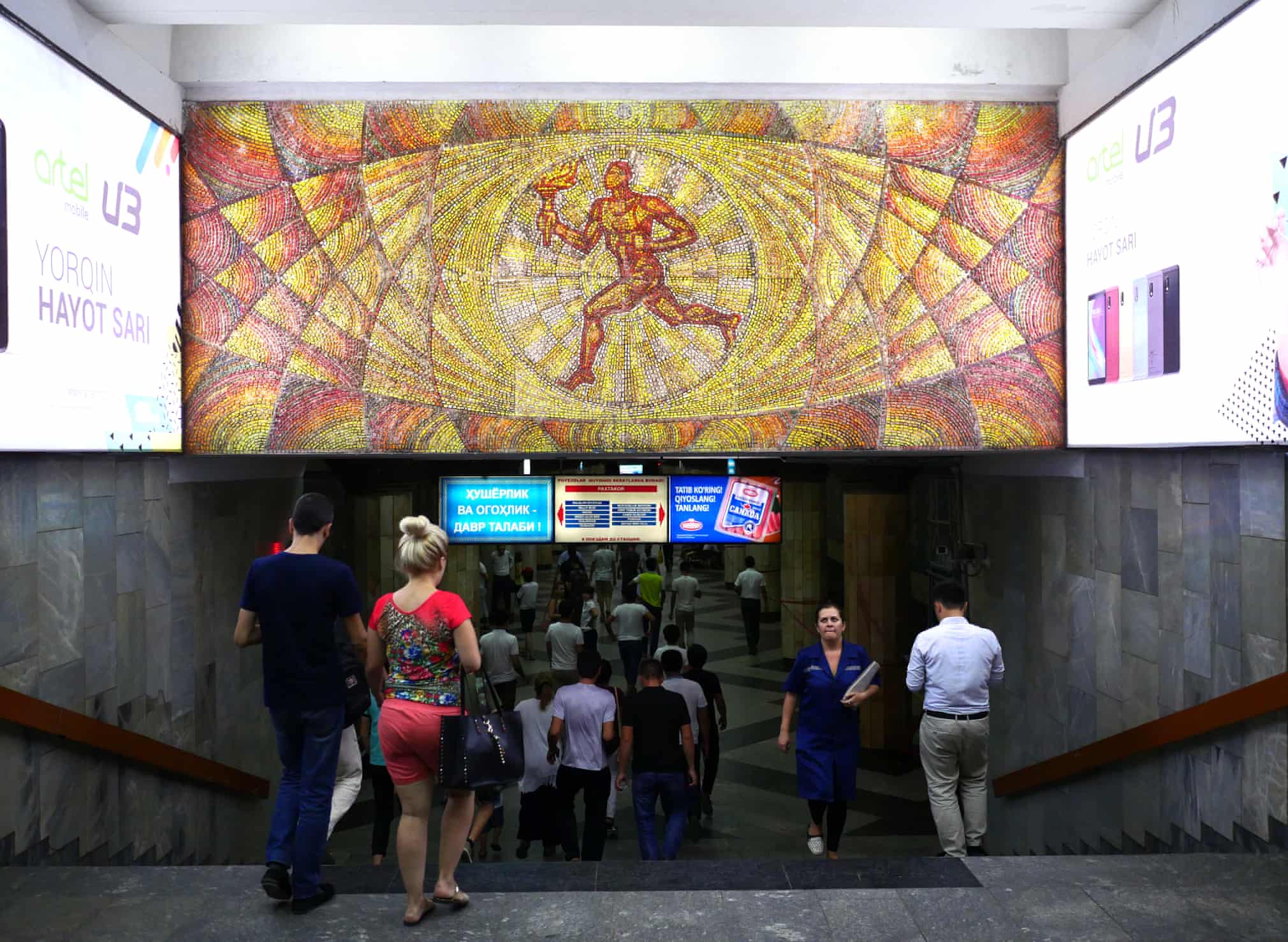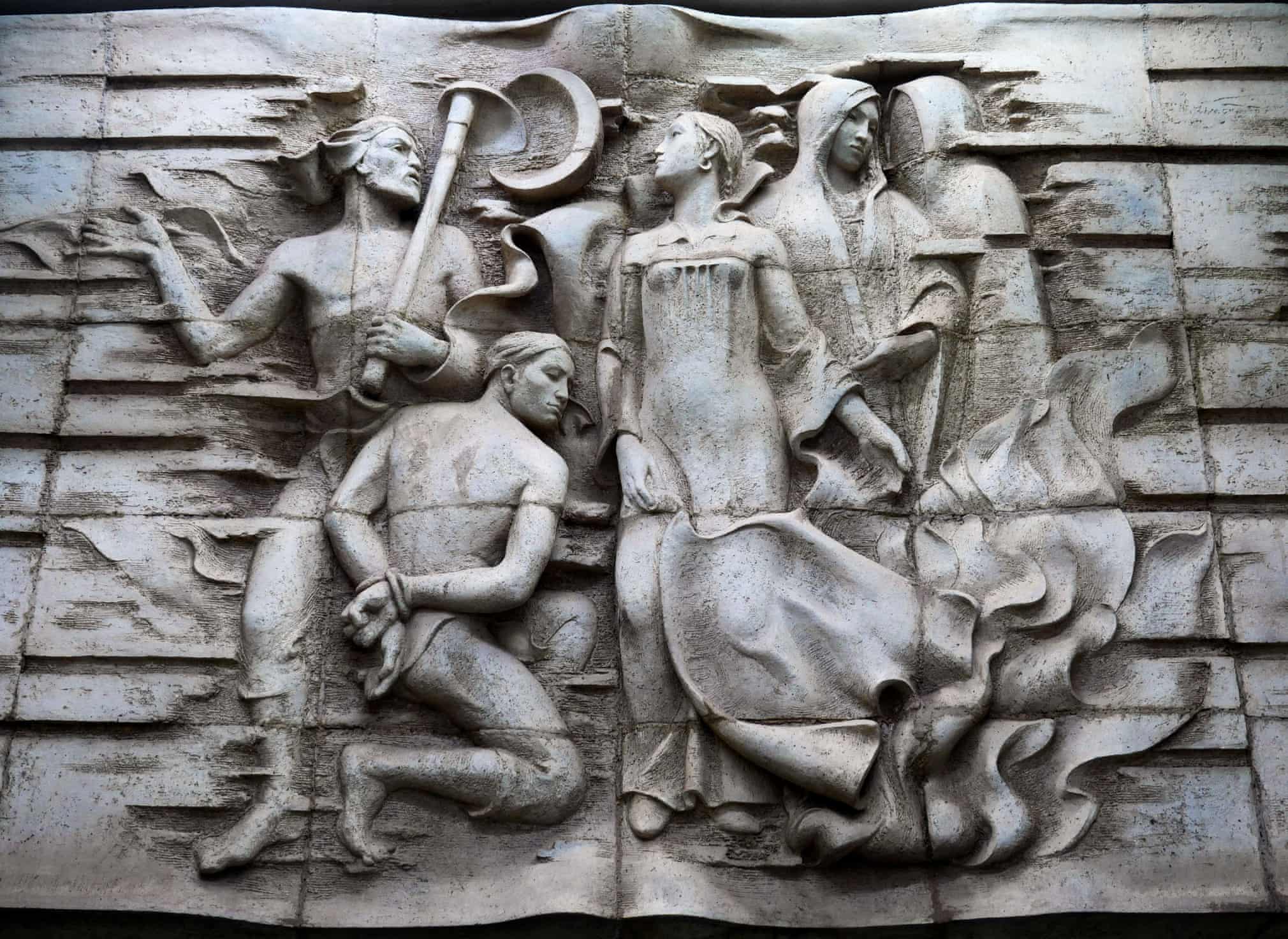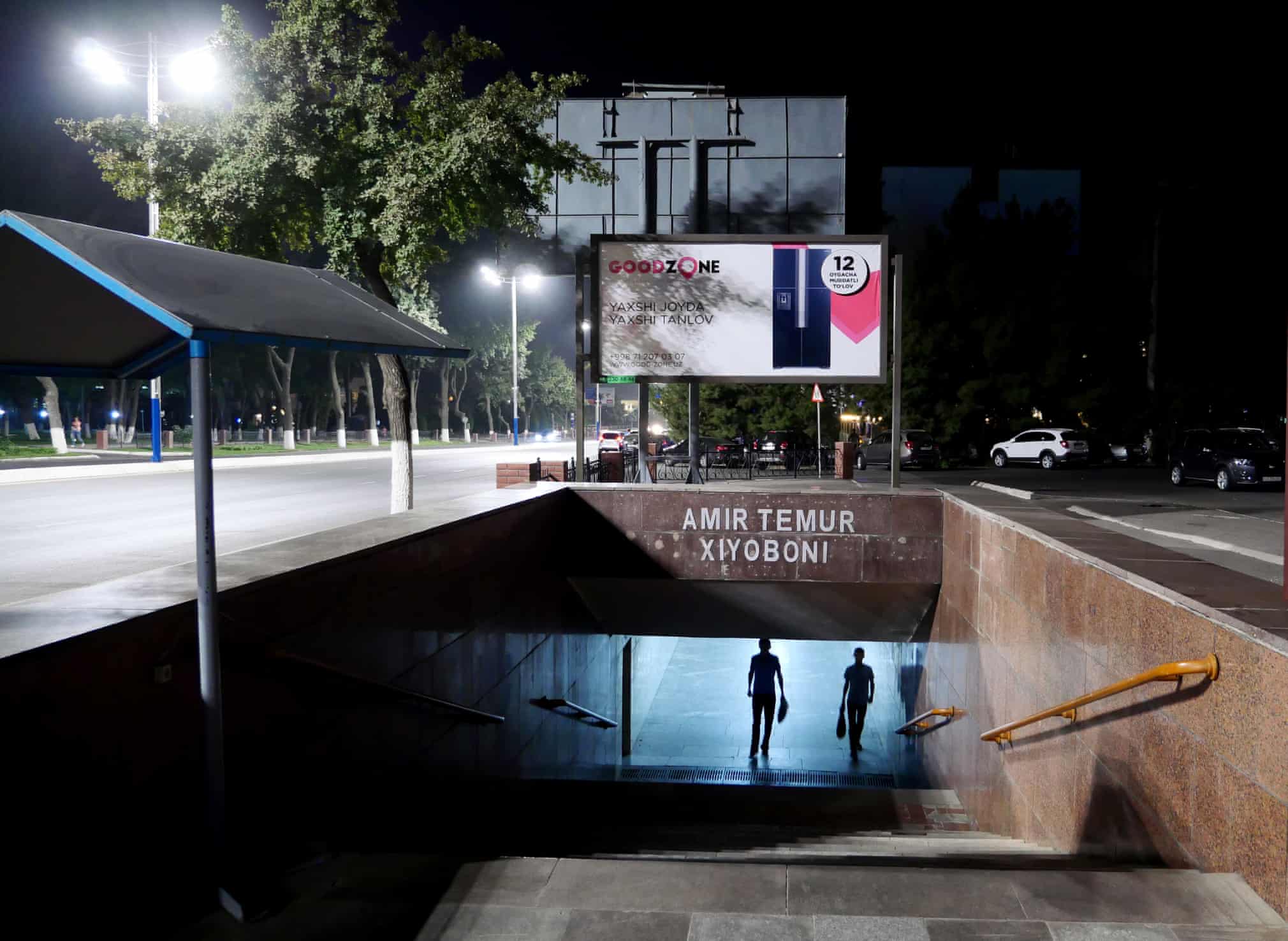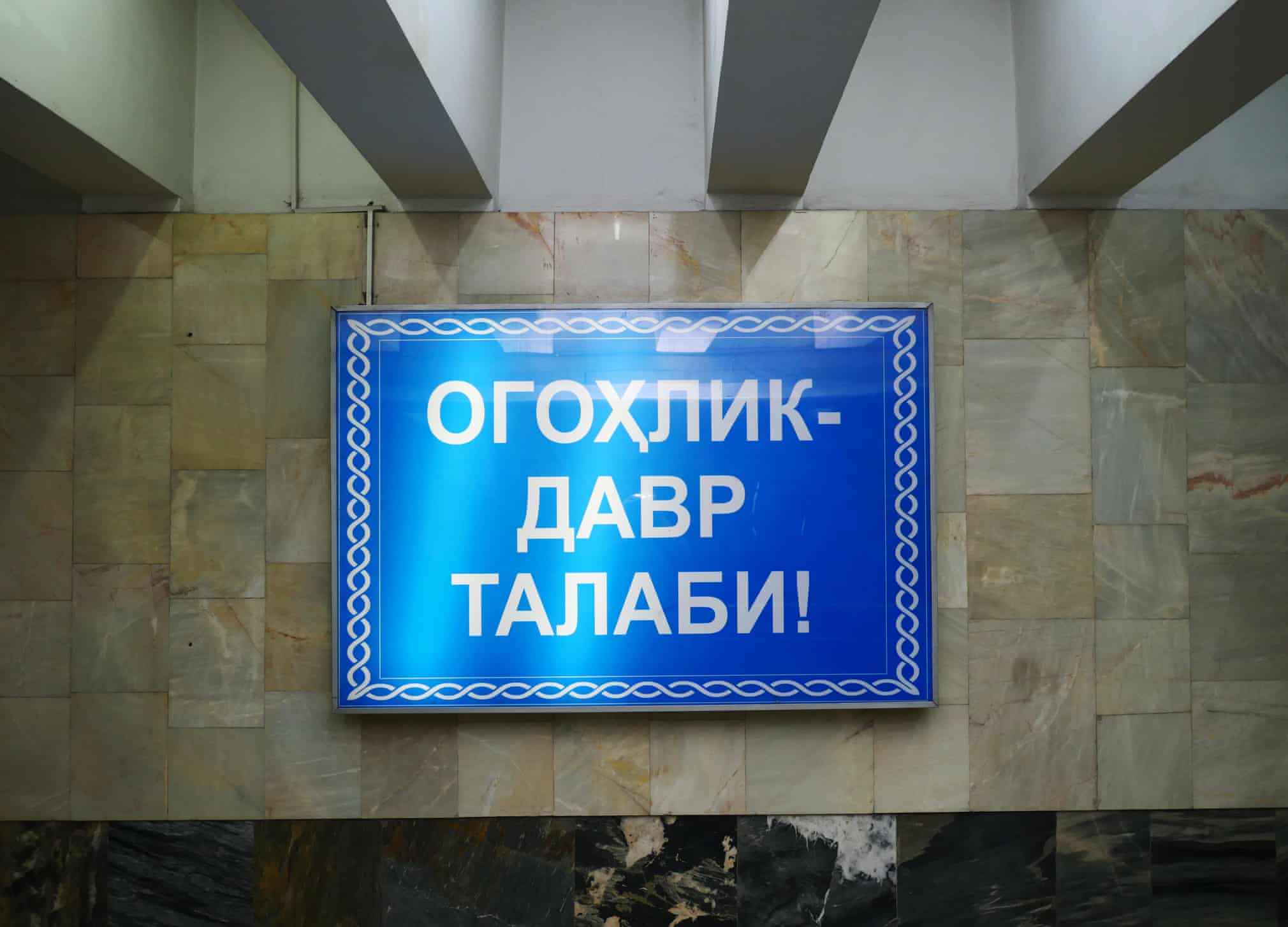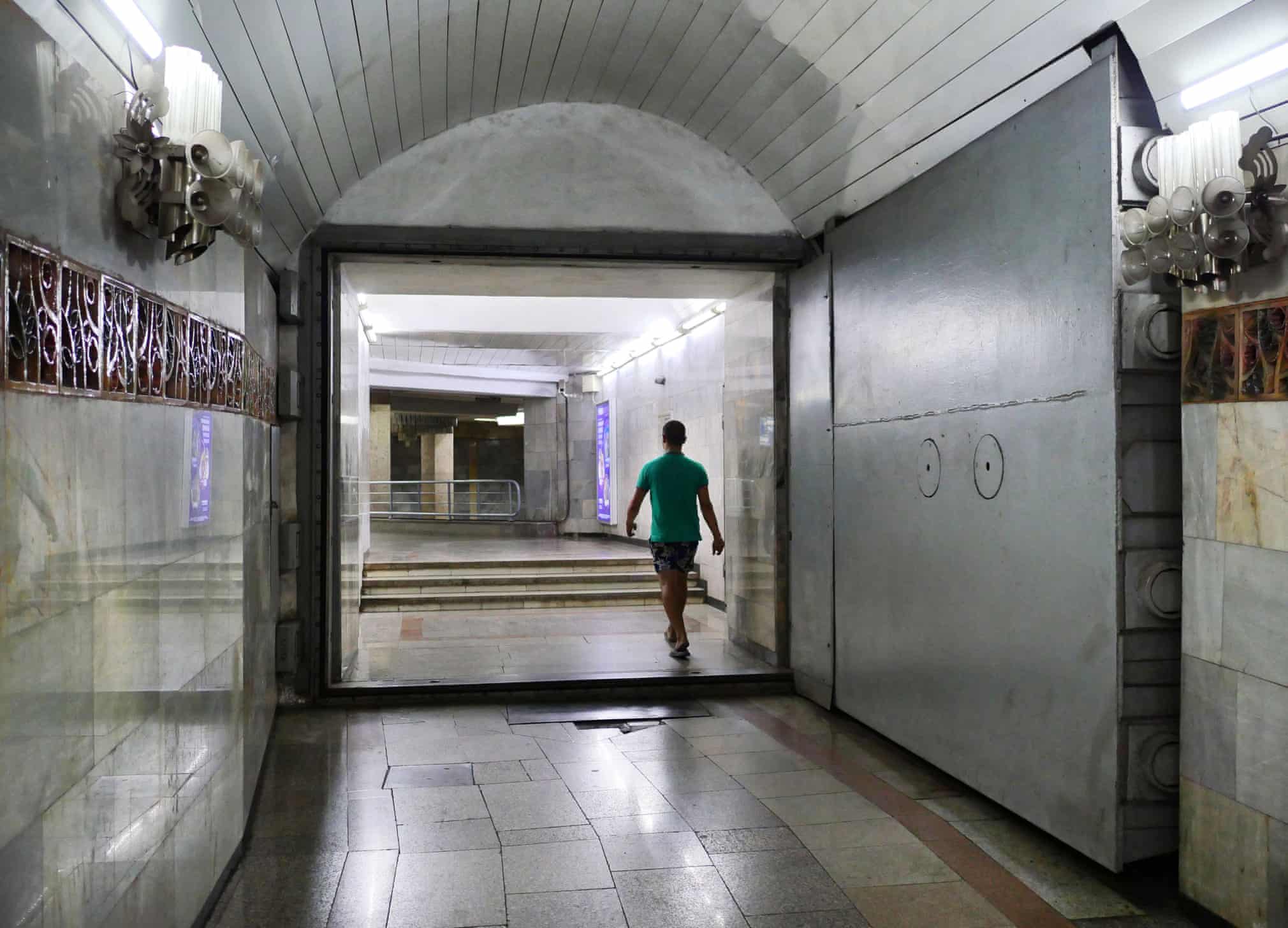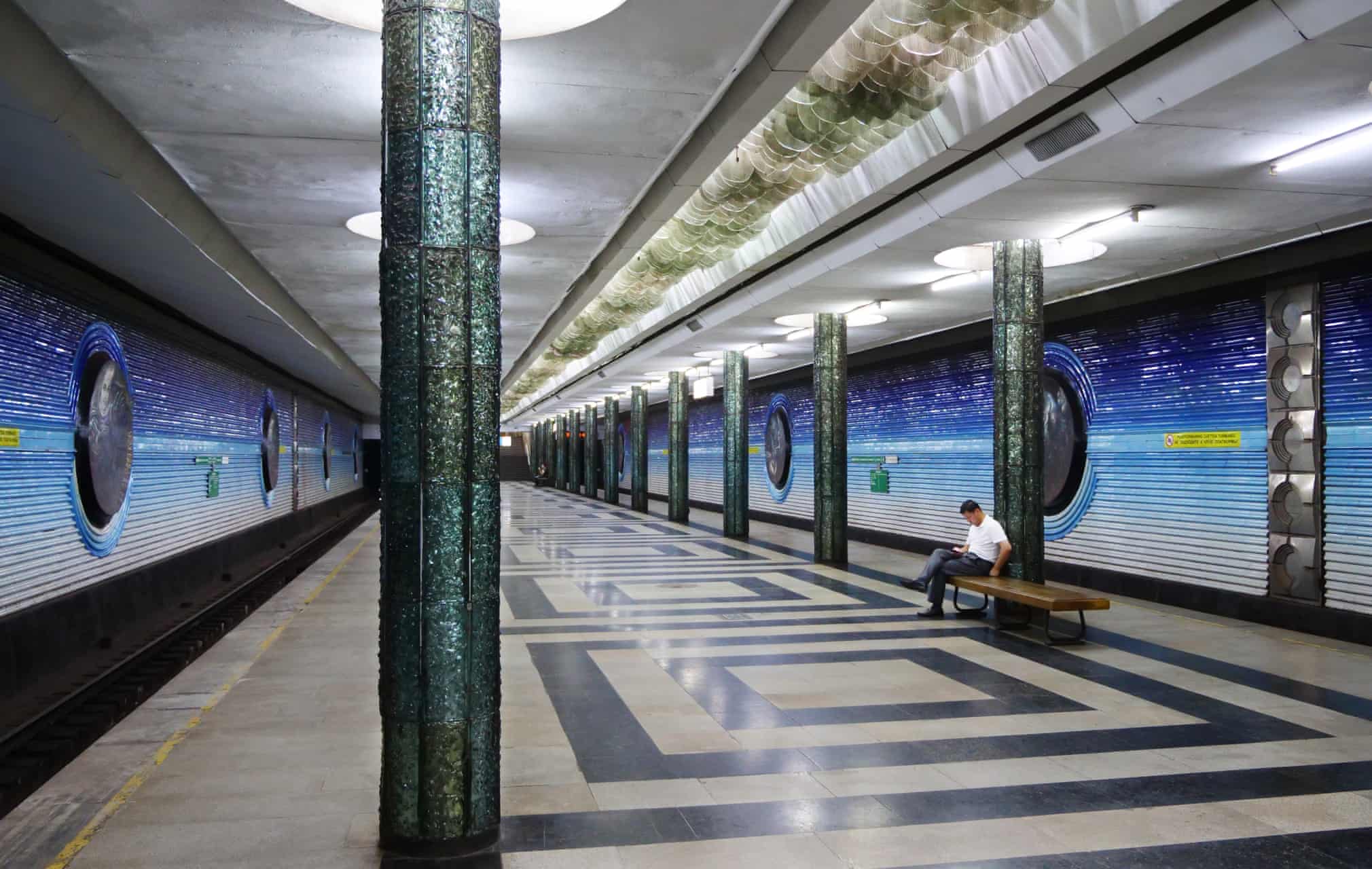
Behold, the Tashkent metro, Uzbekistan, also an underground art gallery. Beautifully crafted and free for public consumption. Before you say it, yes this isn’t street art. But what else was there to find in this post-soviet style state? I doubt Stalin was big on self expression, and that attitude seems to have held on till today.
The contrast between the dusty mad max city above and the shimmering tunnels below surprises even the most jaded tourists. It is a masterpiece of glazed columns, decorated ceilings, and shining tunnels. It is so beautiful that photographer Amos Chapple said “Soviet elements mingle with ancient Islamic designs. Angular shapes and sharpe edges expresses the power of the Russian empire, while sinuous lines and emerald hues represent Arabic styles.”. Obviously, according to the expert, the metro art is very beautiful, a mesh between the traditional Islamic patterns and rigid, powerful themes.
Yet, despite the fact that it is about as central to the city as it gets, when you go there, theres literally nobody else admiring the art. Because we don’t truly see art for the history, do we? We see them because they’re displayed in a museum. Because they’re popular. And if we don’t present them the right way, they might as well not exist. There is nothing wrong with how the art is presented, it is how we perceived what good art is.
Someday, we may realise the value here and be appalled at how little attention we paid to these art works. Or someday we may just tear it down so they can extend the train system. Honestly I don’t know. But just because art in our minds belong in a gallery, doesn’t mean that art in a different place holds any less meaning. I certainly believe that this place deserves more travellers, regardless of how we present them.
The art on display is fancy, and some people might say they don’t deserve to be showcased in a depressing place such as the metro. But public transport is intrinsically depressing, so tell me why don’t we colour our commutes more?